

Best Overlanding Coolers For Extended Trips
🏆 Top Picks at a Glance
 #1
#1
Best Overall
BougeRV 12 Volt Portable Refrigerator, 69 Quart Rocky V2.0 Dual Zone Car Fridge Freezer with APP Control, Compressor Cooler 12/24V DC, 110~240V AC for Overlanding, Camping, Travel, RV, Truck
$519.99
Check Price → #2
#2
Runner Up
BougeRV 12 Volt Portable Refrigerator, 55 Quart Rocky V2.0 Dual Zone Car Fridge Freezer with APP Control, Compressor Cooler 12/24V DC, 110~240V AC for Overlanding, Camping, Travel, RV, Truck
$419.99
Check Price →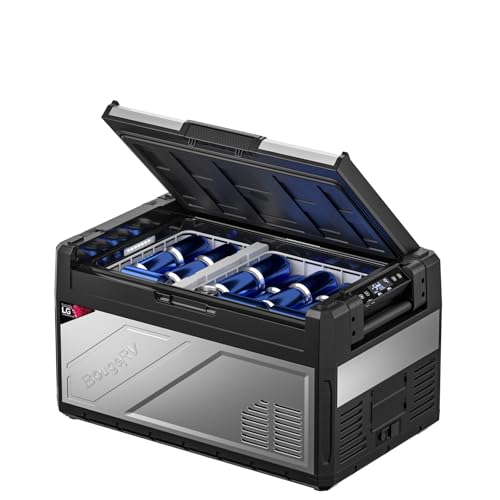 #3
#3
Best Value
BougeRV 12 Volt Portable Refrigerator, 41 Quart Rocky V2.0 Dual Zone Car Fridge Freezer with APP Control, Compressor Cooler 12/24V DC, 110~240V AC for Overlanding, Camping, Travel, RV, Truck
$369.99
Check Price →Our Top Picks
Affiliate disclosure: if you buy through these links, we may earn a commission at no extra cost to you.
Factors to Consider
Insulation and Ice Retention
⚡ Quick Answer
For extended trips the insulation is the whole point — thick walls, a tight lid gasket, and a drain plug that actually seals make the difference between five days of ice and one hot mess. Look for measured ice retention claims and independent tests rather than glossy marketing photos; rotomolded boxes usually outperform metal-sided coolers with thin foam. Remember performance drops fast in desert heat and when you open the lid a lot on the trail, so overbuild the insulation if you want multi-day cold packs. A good tip: the thicker the lid foam, the better — lids are where most coolers lose temperature.
Table of Contents
Capacity and Fitment in Your Vehicle
Pick a size that fits where you actually store it, not where you wish it would fit — underoverland drawers, behind seats, bed slide, or roof rack all impose different length/height limits. Think more about usable interior volume than just liters; bulky ice packs and food packaging eat space fast. If you plan to mount on a roof rack, choose a low-profile box and watch the center of gravity; for bed mounting, check tie-down points and whether the cooler will block the tailgate. Measure your planned spot with real grocery bags to avoid surprises at mile 30 when you're cramming gear.
Build Material and Trail Durability
Rotomolded polyethylene is your friend for rock crawling, river crossings, and strap-on abuse — it resists dents, takes a beating, and survives UV and chafing better than thin-sheet metal designs. Cheap stainless or painted coolers can look great in photos but often have thin insulation and latches that crack in cold or flex under torque. Check hatches, hinges, drain bungs, and gasket attachment points; those small parts fail first on rough trails. If you want your cooler to double as a seat or step, verify load ratings and reinforce mounting accordingly.
Weight, Mounting, and Mobility
Empty weight matters if you move the cooler on and off the vehicle — big rotomolded units can be 50–80 pounds empty and brutal after a long day. Mounting options (built-in tie-downs, integrated slots for mounting plates, or accessory brackets) determine how easy it is to secure the box to bed slides, racks, or roof mounts. On the roof a heavy cooler raises center of gravity and changes handling on tight switchbacks; in the bed it needs solid tie-downs to survive chops and river crossings. Factor in whether you want it to be removable for basecamp use or bolted down for long bumpy miles.
Features, Maintenance, and Field Usability
Look for real-world features: strong non-slip handles, replaceable gaskets, gas-strut lids, drain bungs you can use with gloves, and latches that work when muddy or frozen. Fancy extras like digital thermometers and integrated cup holders are nice, but if the latch fails in the middle of a muddy creek crossing those toys won’t save your food. Consider how easy it is to clean after fish guts and sand — smooth interior corners and removable baskets speed the scrub. Finally, check for lock points and whether the cooler seals enough to double as a short-term freezer with a 12V fridge/freezer pack if you run one.
Frequently Asked Questions
How long will ice last in an overlanding cooler on a week-long trip?
Expect 3–7 days of ice retention in high-quality rotomolded coolers under normal use; heavy use, high ambient heat, and frequent opening will shorten that. Using block ice, pre-chilling the cooler and food, and keeping the lid shut except when needed extend the life. In desert conditions plan for the lower end of the range unless you bring extra ice or a powered freezer solution.
Is a rotomolded hard cooler worth the extra weight and cost?
Yes, if you care about multi-day ice retention and durability in rocks, river crossings, and sand. Rotomolded coolers survive abuse that cheaper models don’t, and they keep ice much longer — which pays off when you’re days from town. If you only do short, mellow trips and need something lightweight, a soft cooler or budget hard cooler can work, but they won’t last in a serious overland rig.
Can I safely mount a large cooler on my roof rack?
You can, but be careful: weight up top raises center of gravity and affects handling on trails and at highway speeds. Use a rack-rated mounting plate and tie-downs, check rack load ratings (static and dynamic), and keep the cooler's weight within limits — consider a lower-profile, lighter model for roof mounting. If you cross rivers or hit steep washouts often, keep heavy coolers in the bed or inside the vehicle instead.
Are cheap coolers that look like premium ones any good?
Some are fine for weekend BBQs but many cut corners on insulation thickness, hardware quality, or gasket seals. Those shortcomings show up on long trips — poor latches, cracked drains, and faster ice melt. Unless you want to replace a cooler every season, invest in a proven design for real overlanding use.
How do I secure a cooler in a truck bed so it doesn't move on rough trails?
Use rated cam straps or tie-downs attached to the cooler’s built-in tie-down points and to solid anchor points in the bed (not flimsy rails). Consider a non-slip bed mat, locking brackets or a bed-mounted mounting plate, and small blocks to prevent sliding on side-to-side rock crawls. For drawer systems, bolt the cooler into the drawer or use a retainer bracket; unsecured coolers will shift and can damage gear or the tailgate during big impacts.
What's the best way to pack a cooler for maximum ice life?
Pre-chill the cooler and contents, use dense block ice or dry ice when legal and safe, and pack cold items closest to the ice with beverages layered above if needed. Minimize air space with bags or insulation, and avoid opening the lid frequently — use a small "grab" cooler for things you need often. Drain meltwater only when necessary; water actually helps maintain temperature if the ice is still present.
How do I clean and deodorize a cooler after fish, meat, or mold smells?
Rinse thoroughly, scrub with a mild bleach solution (1 tbsp bleach per gallon of water), and let it air dry in the sun to break down odors and kill bacteria. For stubborn smells, use baking soda paste or a diluted vinegar rinse and repeat; replace the gasket if it has absorbed odors. Store the cooler open or with a moisture absorber to prevent mildew between trips.
Conclusion
Pick a cooler built to survive the real world, not just Instagram photos: thick insulation, rotomolded construction, solid latches, and practical mounting options are what keep food cold through mud, river crossings, and long desert days. For weekend warriors who occasionally venture off-grid, a mid-sized rotomolded cooler or heavy-duty cheap alternative will do; for dedicated overland builds that see months on the trail, invest in a full-size rotomolded unit and plan mounting and weight distribution up front.


