

Best Skid Plates And Armor For Trail Trucks
🏆 Top Picks at a Glance
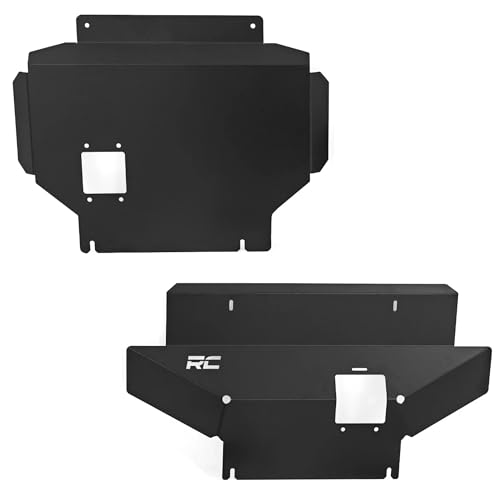 #1
#1
Best Overall
Rough Country Front & Belly Skid Plate Kit for Toyota 4Runner (2025-2026) - Heavy Duty 14-Gauge Steel Armor with Differential Protection, Replaces Factory Plastic
$179.95
Check Price → #2
#2
Runner Up
Rough Country Front Skid Plate Armor for 2014-2018 Chevy/GMC 1500-222
$149.95
Check Price → #3
#3
Best Value
Rough Country Front Skid Plate Kit for Chevy Silverado 1500 4WD (2019-2026) - Fits Models with 0-3.5" Lift, Skid & Differential Plates, Easy Bolt-on Install
$99.95
Check Price →Our Top Picks
Affiliate disclosure: if you buy through these links, we may earn a commission at no extra cost to you.
Factors to Consider
Material and Thickness: Steel vs Aluminum vs Composite
⚡ Quick Answer
Steel is the go-to for true rock crawling — 3/8" to 1/2" AR400 or mild steel will shrug off big hits but adds serious weight you have to manage with springs or airbags. Aluminum (3/8" to 1/2") saves pounds and resists corrosion, but it dents and can shear around fasteners on hard hits; it's great for sand and light rock work. UHMW or composite belly pans are lightweight and don’t rust, excellent for mud and river crossings, but they flex under impact and are best used as sacrificial layers or on vehicles that see fewer boulder trails.
Table of Contents
Coverage and Fitment: What Parts to Protect
Prioritize the oil pan, transmission/transfer case, fuel tank, and differential — those are the bits that will end your day if they get hit. Full-coverage belly pans are great for long overland routes through sand and rocks; segmented plates let you remove only the section you need for service. Check vehicle-generation fitment carefully: "universal" plates often require trimming or additional brackets, which looks fine in photos but fails where it matters on a tight rock ledge.
Mounting, Serviceability, and Installation Difficulty
Bolt-on kits that use factory frame mounts are the fastest to install and easiest to remove for oil changes, but cheap hardware and thin brackets will shear on big impacts. Weld-on solutions are stronger and neater under heavy use, especially on dedicated builds, but they require a shop and make future removal harder. Look for designs that keep access to drain plugs and allow the exhaust and skid plate to clear without heat wrapping; pothole-ridden fire roads and river crossings demand frequent inspections and easy service access.
Weight, Vehicle Dynamics, and Trail Performance
Every pound under the belly changes how your suspension reacts over rocks and ruts — heavier armor lowers suspension responsiveness and can increase axle stress on river crossings and rock ledges. If you already have a lift or heavy bumpers, heavier steel plates make sense; otherwise, go lighter and accept sacrificial protection. Remember: armor that looks fearless in studio photos can turn your Jeep into a sluggish crawler if you don't compensate with suspension upgrades.
Corrosion, Finish, and Long-Term Durability
A good powder coat looks nice but chips quickly where rocks contact it; check for pre-treatment like e-coat or galvanization under the paint, and insist on stainless or zinc-plated bolts. Designs with overlapping seams and hidden welds trap mud and salt — which accelerates rust around mounting points — so pick plates with drain holes and smooth transitions. In wet climates or after river crossings, rinse the undercarriage and re-torque hardware; treated fasteners and replaceable sacrificial sections save hours of field repairs.
Frequently Asked Questions
Do I need full belly skid plates for overlanding?
Not always. If your routes are mostly dirt roads, sand, and easy trails, focus on targeted protection for the oil pan, transmission, and fuel tank. If you hit technical rock sections or frequent river crossings, full belly coverage stops a single rock from sidelining your trip.
How thick should skid plates be for rock crawling?
For serious rock crawling, aim for at least 3/8" to 1/2" abrasion-resistant steel (AR400 where available) or a similarly rated plate. Thinner stamped steel or flimsy aluminum will bend and shear fasteners on repeated impacts.
Are aluminum skid plates a bad idea?
Aluminum is not a bad idea — it's a tradeoff. It saves weight and resists corrosion, which is great for long-distance overlanders and sand runs, but it dents more easily and can fail around bolt holes under extreme rock hits.
Can I install skid plates myself?
Many bolt-on kits are DIY-friendly with common hand tools and a jack; expect to crawl under the truck and wrestle plates into place. Weld-on systems or kits that require engine/exhaust drops should go to a shop unless you have welding experience and a lift.
Will underbody armor affect oil changes or maintenance?
That depends on the design — some belly pans have removable sections or access panels for drain plugs and filters, others require full removal. Choose segmented plates or kits with service access if you change oil yourself on trips or want less pack-up time on the trail.
How do skid plates perform in river crossings and mud?
Materials like UHMW and aluminum resist water and won’t rust, but plates with sealed seams can trap water and muck against components. Look for drain holes and easy-access designs; after a deep crossing rinse and inspect mounts and fasteners for trapped debris and corrosion.
Do skid plates change vehicle handling or fuel economy?
Yes — heavier plates raise unsprung and overall weight, which can soften acceleration and lower fuel economy, and they can make suspension feel slower over chop. The difference is noticeable on tight technical trails where articulation matters, so balance protection with the rest of your build (springs, shocks, and tires).
Conclusion
Choose armor to match how you drive: heavy AR steel and welded mounts for dedicated rock-crawlers, and lighter aluminum or composite segmented kits for overlanders who value serviceability and weight savings. If you want one clear recommendation — pick a bolt-on, full-coverage kit with replaceable sections and corrosion-resistant hardware for weekend warriors; go all-steel and welded brackets for a committed off-road build.


