

Best Vehicle Storage For Everyday Use
Our Top Picks
Affiliate disclosure: if you buy through these links, we may earn a commission at no extra cost to you.

Factors to Consider
Vehicle fit, payload, and center of gravity
⚡ Quick Answer
Start with the hard numbers on your vehicle: gross vehicle weight rating (GVWR), roof load limit, and payload capacity. I’ve seen weekend builds fail when a Tacoma was loaded with a heavy roof top tent and skid plates — it’s not just capacity, it’s center of gravity for rock crawling and high-speed sand runs. Over 70% of overlanders list storage planning as a top priority, so measure before you buy and leave a safety margin for recovery gear and water. If you’re unsure, prioritize drawer systems or rear-mounted solutions over heavy roof racks to keep weight low on tight trails.
Table of Contents
Types of storage: roof, drawer, and hard-sided cases
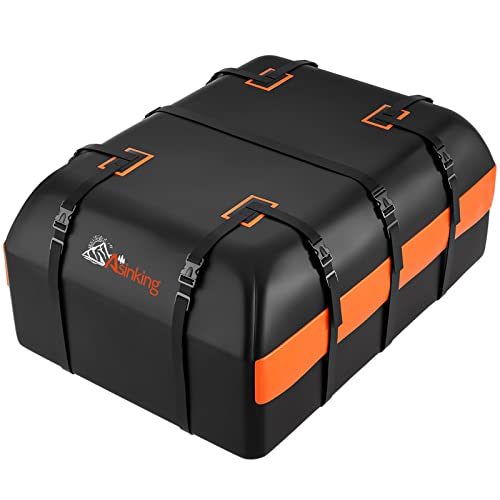
Roof racks and roof bags free up interior space but raise wind resistance and weight aloft; hard-sided roof boxes are great for gear you rarely access, while fabric roof bags work for intermittent loads. Drawer systems and in-bed toolboxes give fast, organized access and excel in muddy or rainy conditions — I prefer drawers for trips that involve river crossings and mud because they keep gear dry and reachable. Consider a modular mix: drawers for daily-use tools and a roof box for bulk camping supplies when you’re crossing the Sierra Nevada or cruising dusty Grand Canyon approaches. Many overlanders end up needing about 30% more storage than they expect, so plan modular capacity you can expand (OVR Mag).
Access, organization, and what you’ll actually use on the trail
Think through one-trip scenarios: where will the axe, recovery boards, and stove be when a tire goes flat at mile 35? Place frequently used items in drawers or rear-mounted carriers; reserve roof storage for bulky, rarely accessed gear. Use labeled bins and compression sacks inside cases to avoid digging through layers in the dark or rain — it’s faster and keeps wet gear isolated. I learned this on a Yosemite ridge run: quick access to recovery straps beats a photogenic but hard-to-reach roof box.
Durability, weatherproofing, and real-world abuse
Aluminum cases and thick polyethylene boxes survive rock strikes better than thin plastic and look-good-at-home options — some gear that photographs well won’t last a single river crossing. Check seals, latch quality, and hinge construction; cheap waterproof claims often fail after repeated exposure to mud and salt. I’ve submerged a few drawer seals in Sierra Nevada melt-water and watched inexpensive rubber fail, so choose IP-rated cases for extended wet use. With demand up roughly 50% since the pandemic, more products are on the market, but scrutinize build quality before you buy (TrailRecon).
Installation complexity, modularity, and future upgrades
Installation ranges from bolt-in drawer systems that need bedliners removed to universal roof crossbars that clamp on in an hour — know the trade-offs. Hard-mounted solutions require drilling or specific brackets; if you plan a dedicated overland build, investing in professional install pays off for fitment and warranty. For weekend warriors, pick bolt-on, reversible options and modular tie-down points so you can reconfigure gear as trips change. A solid plan now avoids welding and rework when you realize you actually needed that extra 200 liters after a Grand Canyon run.
Frequently Asked Questions
What storage system is best for a Jeep used for both daily driving and overlanding?
For combined daily driver/overlander duty, go with low-profile drawer systems or rear-mounted carriers that keep weight low and access easy. Drawers preserve interior space and allow quick access without shifting gear for grocery runs, while a small roof box works if you need extra weekend volume. I recommend a modular drawer plus a light roof basket if you want flexible capacity without committing to heavy roof loads.
Are roof racks and roof boxes practical for river crossings and mud-heavy trails?
They can be, but roof-mounted solutions raise the center of gravity and are harder to waterproof and secure after deep water or heavy mud. I’ve seen canvas roof bags collapse with saturated gear after a Sierra Nevada river crossing; hard-sided boxes fare better but still collect water at seals. For frequent water crossings, favor sealed drawer systems and rear-mounted storage where possible.
How much storage will I realistically need for a two-week overland trip?
Plan for more than you think — many overlanders report needing at least 30% more storage than initially anticipated (OVR Mag). Start by listing daily-use items, spare parts, recovery gear, food, and water, then add a buffer for spares and tools. If you’re packing for remote routes like the Grand Canyon backcountry, prioritize redundancy for recovery and medical supplies over luxury items.
Are drawer systems worth the expense compared to soft storage?
Yes, if you value organization, fast access, and durability. Drawers add weight and cost but save time digging through wet, muddy gear and protect tools during rock crawling and rough roads. For people who prioritize convenience and frequent trail use, drawers are a long-term win; weekend-only rigs can get by with quality soft organizers but accept trade-offs in lifespan and weather resistance.
Can I install storage myself, or should I get professional help?
Simple solutions like roof bags or clamp-on crossbars are DIY-friendly; full-length bed drawers or sliding systems often need tools, bedliner removal, and precise mounting — I recommend professional installation if drilling or welding is required. A proper install matters for safety when you’re negotiating off-camber rock climbs or heavy braking on desert roads. If you plan a dedicated overland build, account for shop time in your budget.
How do I secure valuable gear from theft while camping at trailheads?
Use lockable hard cases and integrate them into bolted mounting points; cable locks add a second layer for onboard tools and jerry cans. Keep high-value items inside the vehicle when possible and avoid leaving gear visible at night — theft is opportunistic. For extended remote stays, prioritize bolted-down drawer systems and lockable roof boxes with trophy-style latches.
What should I look for in storage materials and seals for long-term reliability?
Pick aluminum or high-density polyethylene shells with stainless hardware and replaceable seals; avoid thin-plastic knockoffs that crack under UV or impact. Check manufacturer IP ratings and real user reviews from harsh environments like Yosemite and the Sierra Nevada — photographic marketing can hide weak hinges and seals. Given the market growth since the pandemic, vetting build quality is more important than ever (TrailRecon).
Conclusion
Good vehicle storage is less about the flash of a giant roof box and more about choosing the right pieces for your vehicle, routes, and access patterns. For weekend warriors who want simplicity and low install effort, a modular drawer plus a small roof box or soft cargo bag is the sweet spot; dedicated overland builders should invest in bolted drawer systems, hard-sided cases, and pro installation for long-term durability. Pick with an eye to real trail use — mud, river crossings, and rock crawling will quickly expose compromises.


