

How To Find Free Dispersed Camping On Blm Land
Overlanding is all about freedom—finding that perfect patch of dirt where you can set up, disconnect, and truly enjoy the backcountry. But the biggest challenge? Securing a legal, quiet spot without dropping a dime. Thankfully, the Bureau of Land Management (BLM) oversees vast expanses of public land where free dispersed camping is not just possible, it’s a time-tested tradition among seasoned explorers. Knowing how to identify, access, and camp responsibly on BLM land keeps your adventure legal, safe, and enjoyable.
Our Top Picks
Affiliate disclosure: if you buy through these links, we may earn a commission at no extra cost to you.


If you’re serious about hitting the dirt with minimal impact—and maximum experience—this guide will walk you through every step, from understanding BLM rules to navigating tricky terrain. The key is not just hunting for free spots, but learning how to read the land and leave no trace. Let’s dive in.
BougeRV 12 Volt Portable Refrigerator, 69 Quart Rocky V2.0 Dual Zone Car Fridge Freezer with APP Control, Compressor Cooler 12/24V DC, 110~240V AC for Overlanding, Camping, Travel, RV, Truck
$519.99Check Price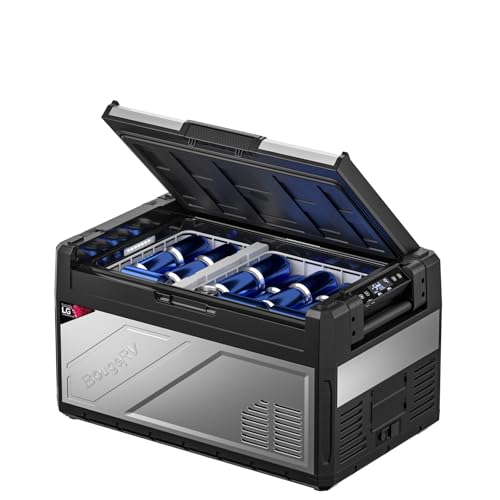
Table of Contents
Understanding BLM Land & Dispersed Camping Rules
BLM land covers roughly 245 million acres across 12 western states, offering plenty of room for overland bliss. However, not all BLM areas are open for dispersed camping—some are designated wilderness or have restrictions due to fire danger, resource extraction, or wildlife protection. The general rule: if it’s not marked reserved or restricted, you can usually camp there—but always confirm.
Dispersed camping on BLM land means setting up anywhere outside developed campgrounds. It’s primitive, free, and comes with responsibilities. No reservations necessary, but be aware of local fire bans, seasonal closures, and specific regulations like staying a certain distance from water sources or roads. Penalties for camping in restricted areas are real, so doing your homework before hitting the dirt saves headaches.
How to Find Legal Dispersed Camping Areas
Start with reliable maps—both online and paper. BLM’s Interactive Map (on blm.gov) offers overlays of land status, road closures, and designated camping zones. Topographic maps reveal dirt roads, old ranch access points, and terrain features that are often overlooked.
When scouting, look for obvious signs of previous dispersed campers—fire rings, cleared patches, or small pathways—indicating that others have camped nearby without issues. But don’t rely solely on signs. Many areas see light use, and signs aren’t always maintained. Use GPS waypoints and mark spots you find promising during daylight; then revisit with your vehicle when the timing’s right.
Accessing Remote Campsites & Navigating Terrain
Getting to your free site often means tackling tricky dirt roads, rutted river crossings, or loose sand—existing trail conditions can vary wildly. Before heading out, check recent trip reports on forums like Overland Journal or local Facebook groups. These can warn you about washouts, mud, or seasonal closures.
If your vehicle is geared for it, look for secondary roads or old logging tracks that are less traveled. These tend to be less patrolled and less crowded. Remember, terrain can be unpredictable—what looks easy on the map might turn muddy or rocky in real life. Just because it’s open doesn’t mean it’s passable in bad weather or with a trailer.
Maximize your chances by traveling with recovery gear—recovery boards, a winch, and a tow strap. These aren’t just accessories; they’re essentials for off-road recovery in real backcountry conditions. I’ve seen full-size trucks stuck in mud or soft sand just because they underestimated the terrain.
Camping Etiquette & Leave No Trace
Dispersed camping isn’t about carving your initials into every tree or burning every piece of firewood you find. Respect the land. Keep your campsites small, stay off vegetation, and use existing fire rings when possible. Pack out all your trash, including food scraps and toilet paper. If you’re camping near water, steer clear of sensitive riparian zones.
Limit your impact—avoid making new fire rings, especially in areas prone to wildfires. If fires are banned, pack a stove and use that. Remember, you’re sharing this wide-open space with other travelers, wildlife, and future explorers. Leave it better than you found it, and you’ll ensure these areas remain open for years to come.
Tools & Resources to Aid Your Search
Never rely on guesswork alone. Bring a robust GPS device like Garmin Overlander, or download offline maps from Gaia GPS or Avenza. These apps allow you to save maps and waypoints before hitting the backcountry, which is crucial when cell signals drop out.
Consult online forums, local ranger stations, and BLM offices for updated info. Many overlanding communities maintain Facebook groups or Reddit threads specifically about dispersed camping. Plus, pilot your search with satellite imagery—look for dry, open patches that aren’t too close to roads or water sources.
Frequently Asked Questions
Can I camp anywhere on BLM land?
No, always verify local restrictions. Some areas have seasonal fire bans or are protected wilderness. Check with the local BLM office to confirm.
How close can I camp to water sources?
Typically, at least 200-300 feet from rivers, lakes, or streams. This minimizes environmental impact and keeps wildlife undisturbed.
Is there a limit to how long I can stay?
Most areas allow a stay of 14-21 days, but this varies. Always check local regulations; some places have seasonal or permanent restrictions.
What’s the best time of year to find dispersed sites without too much traffic?
Fly solo in shoulder seasons—late fall or early spring—when snow has melted or fallen, but the weather stays manageable. Summer weekends are crowded.
Are campfires allowed?
Only where fire bans are lifted. Always follow local rules; better to bring a stove if in doubt. Fire danger can escalate quickly, especially in dry climates.
How do I leave no trace on BLM land?
Pack out everything you bring in, minimize fire scars, stay on existing roads and campsites, and avoid creating new impact points. Respect the land as if it’s your only chance to visit.
Conclusion
Nailing free dispersed camping on BLM land boils down to preparation, respect, and knowing where to look. A little homework and the right gear—digital maps, recovery gear, and a good attitude—go a long way in the backcountry. When done responsibly, dispersed camping ensures you’re not just visiting wild places, but you’re actively helping to preserve them for future adventures.
Next step? Grab your maps, check recent trip reports, and plan your next overland trip with confidence. The dirt, the stars, and that perfect quiet spot are waiting—and they’re closer than you think.


