

Recovery Boards Buying Guide: What to Look For in 2026
🏆 Top Picks at a Glance
 #1
#1
Best Overall
Our Top Picks
Affiliate disclosure: if you buy through these links, we may earn a commission at no extra cost to you.
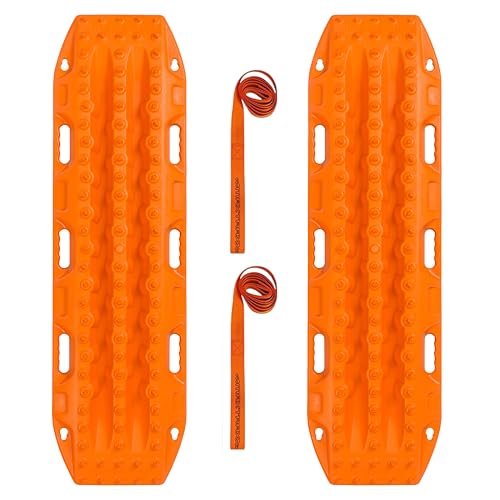
MAXTRAX MKII Safety Orange Vehicle Recovery Board
$269.99
Check Price →
#2
Runner Up
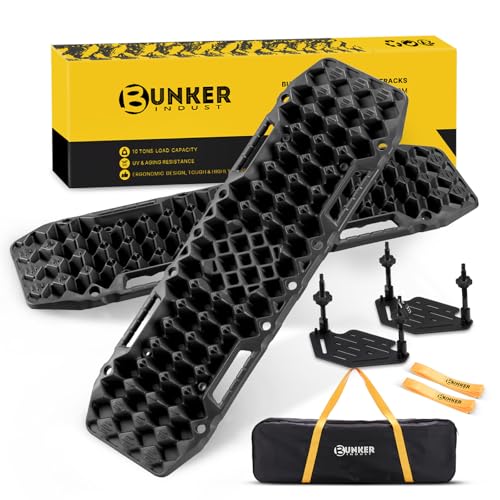
BUNKER INDUST Gen 7th Traction Boards with Mounting Kit, Pair Offroad Recovery Tracks with Jack Base for 4X4 Jeep Truck Tire Traction-Sand,Mud, Snow Ramps (Black)
$129.99
Check Price → #3
#3
Best Value
BUNKER INDUST Off-Road Traction Boards with Jack Base,Pair Recovery Track 4X4 Jeep Truck Emergency Tire Traction Mat with Bag -Sand, Mud, Snow Tracks Red Traction Pad (Gen 7th)
$87.99
Check Price →⚡ Quick Answer
Recovery boards are a must-have for any serious overlander — whether you're stuck in deep mud, sandy dunes, or slick snow. Unlike traditional jack-and-strap setups, these rugged tools give you instant traction and can save you valuable time, energy, and frustration when the trail turns messy. But with a flood of options hitting the market, how do you pick the right set? That’s what I’ll break down here—based on years of real-world trails, river crossings, and mud pits.
Table of Contents
If you're building an overland rig or just gearing up for weekend adventures, understanding what features matter most in recovery boards will keep you from wasting money on shiny gear that can’t back up in the toughest conditions. Let’s dive into the essentials so you can confidently choose what works for your style and terrain.
1. Material & Durability
The backbone of a recovery board is its material. HDPE (High-Density Polyethylene) is the standard for off-road boards. It’s tough, UV-resistant, and can handle repeated abuse without cracking or warping. Look for brands that use thicker panels—ideally 1.5 inches or more—to withstand the rigors of rock crawling, river crossings, and mud pits.
Be wary of cheaper options made from recycled plastics or thinner material. They might look good in photos but tend to bend, crack, or break under load—especially when you really need them. In deep mud or over loose scree, you want confidence your boards will hold up as you shift your vehicle onto them repeatedly.
2. Size & Weight Considerations
Size matters. Longer boards (around 48 to 60 inches) provide better reach, especially for wider vehicles like trucks or large SUVs. Narrower boards are lighter and easier to pack, but may struggle with giving enough surface area for larger tires. For serious off-road use, I prefer a set of boards around 48 inches with a width of about 8-10 inches.
Weight also impacts your recovery kit. Heavy boards (over 15 pounds each) can be unwieldy—especially if you’re hiking out with them after a deep mud hole. Luckily, modern materials keep weight down without sacrificing strength. I generally recommend boards weighing under 12 pounds each for maximum portability without losing durability.
3. Traction Pattern & Design
This is where many boards fail in real-world conditions. Flat, smooth surfaces may look sleek but don’t grip well when buried in mud or snow. Instead, look for aggressive, multi-directional cleats or teeth—these bite into terrain and give your tires something to push against.
Some brands add textured ridges or chevron patterns designed to shed mud, preventing the boards from becoming slick. In river crossings or sandy washes, the pattern helps maximize contact. I’ve personally spun wheels on slick, flat boards in the past—punched through the mud with textured options and stayed moving.
4. Mounting & Storage
Many recovery boards come with mounting options that attach directly to your roof rack, spare tire, or inside your vehicle. In my experience, permanent mounts are handy for quick deployment, especially if you’re regularly trailering or overlanding in rough terrain. Clips, brackets, and quick-release systems vary — some require tools, others are tool-free.
If space is tight, foldable or stackable boards are a game-changer. I’ve run into situations where I could fit only two boards but wanted a longer reach. Some brands offer modular designs that stack flat, keeping your gear organized without cluttering your vehicle's exterior.
5. Cost & Warranty
Expect to pay between $150 and $300 for a solid set of recovery boards. Cheaper options often skimp on material thickness and traction features, which leads to failure in real off-road conditions. Higher-end boards offer reinforced edges, specialized patterns, and more durable materials—worth the investment if you’re regularly venturing into challenging terrain.
Warranties vary but look for brands that back their gear. After all, you’ll be putting these through rocks, mud, and river crossings—sometimes all in a single trip. A good warranty signals confidence from the manufacturer and saves you money if something breaks.
Frequently Asked Questions
Can recovery boards work on all terrains?
Most are versatile enough for mud, snow, sand, and loose gravel. However, very slick surfaces like polished rock or icy snow may require additional traction aids or a winch.
How many recovery boards should I carry?
Two are usually enough for most vehicles, but carry a third if you’re super high-clearance or running larger tires. More isn’t necessarily better unless you’re frequently in extreme conditions.
Are foldable recovery boards worth it?
Yes, they save space and are easier to store. Just ensure they don’t compromise strength and traction—stick with reputable brands.
Can I use recovery boards to cross water?
Not ideally. Boards aren’t meant for river crossings—they can sink or float away. Use a winch or a solid rope, and treat boards as an aid for traction once you're safely on land again.
Are recovery boards easy to use alone?
With some practice, yes. Just position them appropriately, clear debris, and drive slowly onto them, applying steady throttle and steering. A little prep makes all the difference.
Conclusion
Choosing the right recovery boards isn’t about grabbing the hottest-looking set or the cheapest option. It’s about understanding your needs—terrain, vehicle size, storage capacity—and selecting a tough, reliable, and effective tool built for real-world trail conditions. Trust me, a solid set of boards can be the difference between a quick recovery and a long, muddy wait. If you’re serious about overlanding, invest in quality gear that’s tested in the dirt, snow, and water—trust your experience on the trail, not just glossy photos.
Ready to get out there? Pick your boards wisely, practice deploying them, and you’ll have one more tool ready to get you unstuck and back on the trail in any terrain you encounter.
Frequently Asked Questions
How do I choose the right recovery board size for my overlanding vehicle?
Select a board that matches your vehicle's width and weight capacity, ensuring it fits securely under your tires without overhang. For larger SUVs or trucks, look for boards with reinforced edges to prevent slipping when placed on uneven terrain.
What is the best material for recovery boards used in deep mud or sand?
High-density polyethylene (HDPE) is ideal because it resists abrasion from rocks and maintains buoyancy if submerged. These materials also provide a consistent surface that doesn't degrade quickly when exposed to moisture or extreme temperatures.
Is it worth investing in recovery boards with specific traction patterns?
Yes, specialized tread patterns like chevron or diamond designs significantly improve grip on loose surfaces like sand and snow. Investing in these patterns ensures you can recover from a stuck position faster without needing excessive winching power.
How do I choose between aluminum and plastic recovery boards for my roof rack setup?
Aluminum boards are lighter and easier to store on a roof rack but may dent upon impact, while plastic boards are more durable against abrasion. Consider your primary terrain; if you frequently drive over sharp rocks, the durability of plastic might outweigh the weight savings of aluminum.
What is the best way to store recovery boards in an overlanding vehicle?
Store them vertically in a dedicated compartment or horizontally under a bench seat to prevent warping. Ensure they are secured with straps or hooks so they do not shift during off-road driving, protecting both the boards and your cargo.
How do I choose a recovery board that works well with my winch system?
Ensure the board's surface is smooth enough to allow your winch cable to pull without snagging on deep treads. Look for boards designed specifically for winching applications, which often feature reinforced mounting points or integrated handles for safety.
Is it worth buying a set of recovery boards if I already have a jack and strap kit?
Yes, recovery boards offer instant traction that jacks and straps cannot provide in deep mud or sand. They save valuable time and energy by allowing you to self-recover without needing to dig out your vehicle first.


