

Best Off Road Tires For Overlanding
🏆 Top Picks at a Glance
 #1
#1
Best Overall
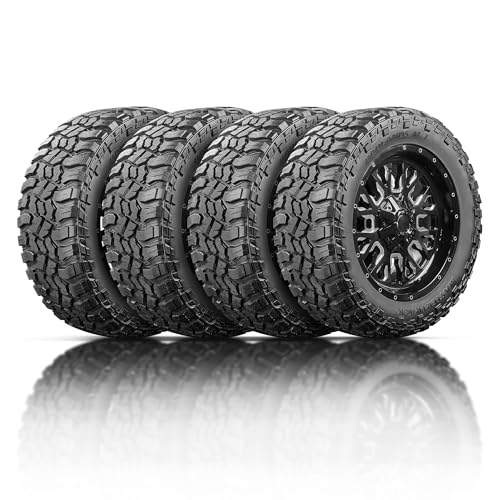
Set of 4 (Four) Mastertrack Badlands M/T Plus 33X12.50R20LT 119Q 12PR Load Range F Mud Terrain Tires for Light Trucks LT33X12.50X20 Aggressive Off Road Traction 3-Year Road Hazard Warranty (Tire Only)
$976.99
Check Price → #2
#2
Runner Up
HALBERD 6PR ATV/UTV Tires, 25x8-12 Front & 25x10-12 Rear, All Terrain 15mm Tread Depth 25x8x12 25x10x12 Trail Sand Off-Road Tires, Set of 4
$249.96
Check Price → #3
#3
Best Value
MORRFlate TenSix 12 Volt Air Compressor Heavy Duty, 10.6 CFM 150 PSI Dual Cylinder Portable Off-Road Tire Inflator for Jeep Truck RV 4x4 Overlanding, 4 Tire Inflation Deflation, 4FT Steel Hose
$230.0
Check Price →Our Top Picks
Affiliate disclosure: if you buy through these links, we may earn a commission at no extra cost to you.
Factors to Consider
Match tread to your terrain — not to the photo shoot
⚡ Quick Answer
Decide first whether you’ll spend most miles on highway, sand, mud, or rock. All-terrain tires shine when you’re commuting to a trailhead then running gravel and occasional mud; mud-terrain gives you bite in deep ruts and snow but gets loud and chews tread on long pavement stretches. For rock crawling prioritize large, closely spaced shoulder blocks and strong sidewalls to resist cuts and allow air-down grip. Don’t pick tires because they look aggressive in photos — pick the pattern that fits the dominant terrain you'll actually be driving.
Table of Contents
Size, fitment, and the regear question
Upsizing affects clearance, steering geometry, and drivetrain stress. Measure hub-to-fender gap, check steering stops, and account for rocker and control-arm articulation before you bolt on bigger rubber. If your new tire increases effective diameter more than about 2–3 inches, plan on regearing or at least expecting slower throttle response and higher transmission temps on steep grades. A properly sized tire that clears without trimming saves you from welding and alignment headaches on the trail.
Load rating and sidewall strength — your mobile camp needs support
Overland rigs carry heavy gear: rooftop tents, water, recovery kit, and extra fuel. Choose LT or equivalent load-rated tires if you’re running heavy payloads — passenger tires can cook under sustained weight and heat. Look for reinforced sidewalls and internal casing layers if you do river crossings and rock work; they reduce the chance of a sidewall rupture when scraping a sharp rock or hitting a hidden ledge. Remember: a durable sidewall usually costs weight, but it’s cheaper than being stranded.
Tire compound, tread life, and rolling resistance
Softer compounds bite better in loose sand and cold mud but wear faster on pavement; harder compounds last longer but can feel skittery on slick surfaces. If your route is long-distance overland with hundreds of highway miles, favor a harder, fuel-friendly compound or a hybrid tread to save tire life and gas. If you’re doing short-haul, technical runs with rocky slots and creek crossings, trade a bit of mileage for puncture resistance and grip. Ask yourself if you’d rather change a tire in camp after a decade of miles or trade a few mpg for peace of mind now.
Mounting, weight, and maintenance considerations
Big off-road tires are heavy and not just when lifting them into place — they increase unsprung weight, affect braking, and can require stronger rims and new lug studs. Mounting and balancing may need a pro, and you’ll want proper valve stems and an updated TPMS strategy. Practice airing down and re-inflating at home so you can dial pressures for sand, rock, and mud quickly; a quality on-board compressor and a good-pressure gauge become some of your most used tools on any trip. Regular rotations and visual inspections after river crossings save you from finding the failure on the trail.
Frequently Asked Questions
Should I choose all-terrain or mud-terrain tires for overlanding?
Pick all-terrain if your trips include long highway drives to trailheads and mixed dirt or gravel roads — they balance comfort, noise, and usable off-road grip. Choose mud-terrain if you spend most time in deep mud, soft sand, or need maximum sidewall bite for rock crawling, but expect louder road noise and faster wear on pavement.
How much larger can I go without regearing?
As a rule of thumb, up to about a 2-inch increase in overall diameter is often manageable without regear, but vehicle specifics vary. If you add more than that you’ll notice reduced acceleration and higher transmission temps; plan for gearing changes when you move the tire diameter 2.5–3 inches or more, especially on loaded overland builds.
What tire pressure should I run for sand, mud, and rock?
Sand: 12–18 psi to increase footprint and float, depending on load; Mud: 15–20 psi to keep knobs working without burying the bead; Rock crawling: 10–15 psi for maximum contact and to absorb hits, but be careful not to go so low you unseat the bead. Always air back up before highway travel and after water crossings to avoid heat buildup and sidewall damage.
Do I need LT tires for overlanding?
If you carry heavy payloads — rooftop tents, water jugs, dual batteries, recovery gear — LT or load-rated tires are strongly recommended because they have higher ply ratings and more robust internal construction. For light weekend trips with minimal gear, passenger- or light-truck tires may be fine, but they won’t cope as well with sustained weight, heat, or off-camber rock impacts.
How often should I rotate and inspect off-road tires?
Rotate every 5,000–7,000 miles for mixed on- and off-road use, or more frequently if you’re doing heavy rock or mud runs that wear unevenly. Inspect after every serious trail day: look for cuts, bulges, sidewall gouges, and embedded stones, and check pressures after crossings and before long stretches of highway.
Are run-flat tires or beadlocks worth it for overlanding?
Beadlocks are worthwhile if you frequently run very low pressures for rock crawling or desert work because they prevent bead slip, but they add weight and complexity and are often illegal for street use in some places. True run-flats are rare in overlanding — they can get you to camp but are heavy and compromise ride and heat dissipation; a full-size spare and a good repair kit are usually more practical and reliable in remote areas.
How do I choose wheels to match new off-road tires?
Pick wheels with the correct offset and backspacing to ensure clearance with steering and suspension components when the tires flex during articulation. Use steel or thick-milled alloy wheels for off-road builds because they bend more predictably and are easier to repair; also verify load rating and rim width to match the tire’s recommended bead seat.
Conclusion
There’s no one perfect tire — the right choice depends on your terrain mix, payload, and how much highway you’ll cover. For most overlanders who travel far between trailheads, a load-rated all-terrain with reinforced sidewalls is the safest, most practical pick; choose mud-terrain only if your routes demand maximal bite and you accept added road noise and wear. Weekend warriors should lean toward quieter, longer-lasting ATs; dedicated overland builds that carry heavy gear and do technical rock or desert runs should invest in LT-rated, tough-cased rubber.


