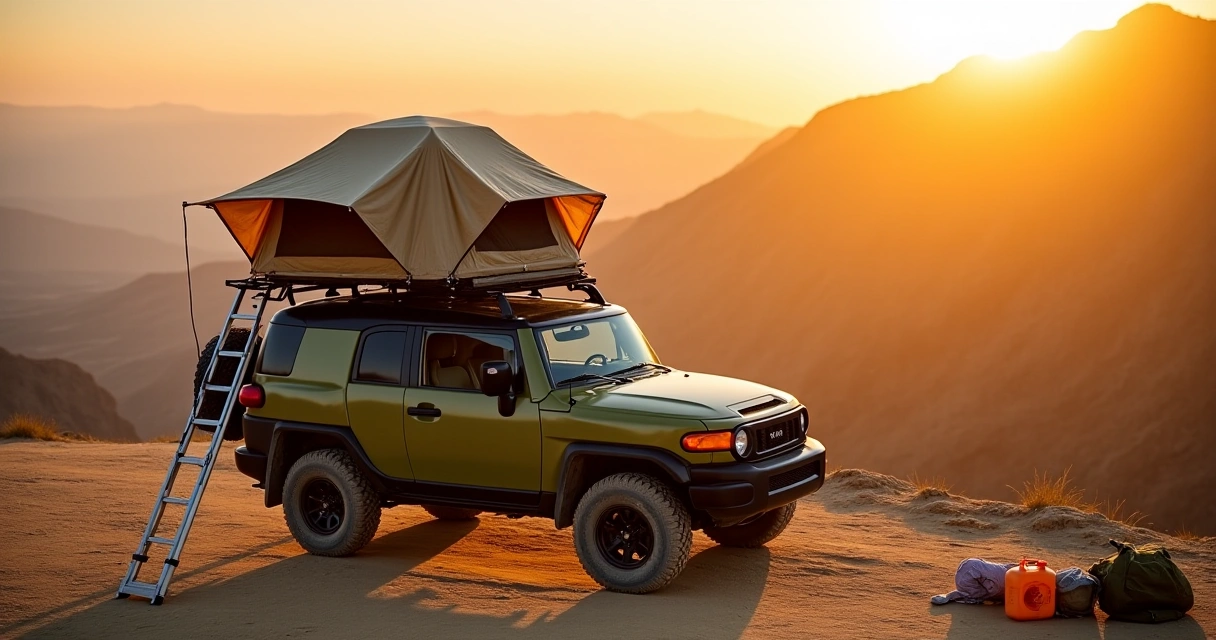
Best Portable Solar Panels For Overlanding
I’ve run these foldables through mud bogs, river fords, and baked desert flats — some looked great on Instagram and failed within a single weekend. This roundup cuts through the marketing: I’ll tell you which portable panels actually survived rock crawls, which ones pack light for a solo mission, and which need a truck bed or roof rack to be useful. Expect clear notes on fitment, weight, setup pain points, and real-world output in low light and heat.
⚡ Quick Answer: Best Overlanding
Best for Space-Saving Portability: Renogy 400W Portable Solar Panel Blanket, 25% High Efficiency N-Type Foldable Solar Panel Charger for Power Station,Lightweight 16-Fold Space Save, Fast Setup for Camping, RV, Pickup, Marine Off-Grid
Table of Contents
- Main Points
- Our Top Picks
- Renogy 400W Portable Solar Panel Blanket, 25% High Efficiency N-Type Foldable Solar Panel Charger for Power Station,Lightweight 16-Fold Space Save, Fast Setup for Camping, RV, Pickup, Marine Off-Grid
- Renogy 400W Portable Solar Panel Suitcase, 23% High Efficiency Foldable Solar Charger for Power Station, Durable for Decades, with Sturdy Kickstands, IP67 Waterproof for RV Camping Off-Grid Blackouts
- Renogy 200W Portable Solar Panel, IP65 Waterproof Foldable Solar Panel Power Backup, Solar Charger for Power Station RV Camping Off Grid
- 100W Portable Solar Panel with 5-in-1 Cable,23.5% Efficiency Mono Foldable Solar Charger for Jackery 300/Ecoflow River/Anker Solix,IP67 Waterproof Offgrid Power for Camping RV Battery Backup
- N-Type 16BB 220W Portable Solar Panel for EF/Jackery/Bluetti/Anker Power Station, IP68 Waterproof Foldable Solar Panel ETFE 25% High Efficiency for Outdoor Camping RV Trip
- N-Type 16BB 200W Portable Solar Panel for EF/Jackery/Bluetti/Anker Power Station 20V Foldable Solar Panel 25% High Efficiency IP68 Waterproof for Outdoor Trip RV Camping Blackout Off Grid
- Renogy 220W Portable Solar Panel Suitcase, 23% High Efficiency Foldable Solar Charger for Power Station, Durable for Decades, with Sturdy Kickstands, IP67 Waterproof for RV Camping Off-Grid Blackouts
- DOKIO 150W Portable Foldable Solar Panel Kit, Compact 21x20in Design 7.3lb with Standalone Controller and USB, Monocrystalline Charger for 12V Batteries, Power Stations, RV Camping Emergency Use
- Buying Guide
- Frequently Asked Questions
- Conclusion
Main Points
- Power vs. packability is the first trade-off: the 400W blankets and suitcases give the best raw watts for a camp that won’t move all day, but they’re heavy and awkward to stow on a Jeep roof or in a soft-shell pack. If you want to keep your fridge and inverter happy on a week-long trip, plan for a full-size panel and a flat place to mount it. For single-day runs or solo riders, a 100–150W foldable (7–8 lb range) is far easier to handle and still tops off a power station in good sun.
- Panel style matters on the trail: suitcase panels with sturdy kickstands are the fastest to deploy and hold up well on dirt and gravel campsites; blanket-style panels pack flatter for crossbars and rooftop tents but need a good anchoring plan in wind or sand. Stay away from cheap fabric edges and flimsy zippers — those are what fail first when you scrape the panel against rocks or drag it through mud.
- Cell tech and materials make a real difference off-grid. N-type 16BB and ETFE-coated panels (the newer 200–220W N-type options) keep output higher in heat and low light — you’ll see better morning and late-afternoon amps compared with old PET-backed mono panels. Also check IP ratings: IP67/IP68 panels survive a river spatter or a torrential downpour; IP65 will shrug off a splash but is more vulnerable after a full dunk or a muddy crossing where connectors get caked.
- Don’t overlook connectors, cables, and controllers. Panels with a 5-in-1 cable or MC4 will save you headaches hooking to Jackery/EcoFlow/Anker/BLUETTI stations — but always carry adapters and an inline fuse. If you’re charging a 12V battery bank, a foldable with a built-in controller (or bringing a reliable MPPT) improves real-world charging and reduces heat losses, especially when you’re parked in broken shade or on a slope.
- Recommendation — who should buy what: Weekend warriors and casual campers should pick a compact 100–150W foldable (lightweight 7–8 lb options or the 5-in-1 compatible 100W) for easy setup, minimal weight, and reliable charging for small power stations. Dedicated overland builds or long-haul rigs earn their keep with either a 200–220W N-type ETFE foldable for durability and efficiency, or a 400W suitcase/blanket mounted to a truck bed or roof rack when you need maximum sustained watts. In short: small and light for quick trips; N-type/400W for committed off-grid rigs.
Our Top Picks




More Details on Our Top Picks
-
Renogy 400W Portable Solar Panel Blanket, 25% High Efficiency N-Type Foldable Solar Panel Charger for Power Station,Lightweight 16-Fold Space Save, Fast Setup for Camping, RV, Pickup, Marine Off-Grid
🏆 Best For: Best for Space-Saving Portability
The Renogy 400W foldable blanket earns the "Best for Space-Saving Portability" slot because it squeezes high wattage into a packable, 16-fold package that actually fits under a pile of recovery gear in my truck. On trips where roof-rack real estate is claimed by a rooftop tent, jerry cans, and a drawer system, this panel disappears into a soft bag the way a sleeping bag does — then unfolds into enough solar to run a fridge and top off a power station by afternoon sun. That balance of raw output and small packed footprint is why I reach for it when space is at a premium.
Under real dirt-road conditions the N-type cells (around 25% efficiency) make a noticeable difference — more power per square foot when the sun's high. The blanket format means fast setup at camp: lay it on a tarp, prop one end with a stick or folding stand, and plug into your inverter or power station. It’s light enough to move when your camp winds shift, and simple to stow if a river crossing or rock crawl forces a quick pack-up. The fabric backing keeps grit off the cells better than cheap plastic folds, though you still need to wipe sand and mud after slickrock runs.
Buy this if you run weekend trips, short overnights, or need to add a high-output panel without a permanent roof installation. It’s ideal for a Jeep or mid-size SUV where the roof is taken up and the bed carries other gear, or for people who stash solar in a drawer system and deploy at camp. It’s less about replacing a rigid rooftop install and more about bringing serious watts in a backpackable form — perfect for basecamps in desert, alpine, or coastal runs where you can orient the panel for sun.
Honest caveats: it isn’t a framed, truck-top panel you leave strapped down while driving through mud and trees. Repeated folding under grit will accelerate wear on hinges and seams, so treat it like canvas, not a toolbox. You’ll also want a small tilt stand or to lash it to a tailgate — its performance drops fast in shade or low-angle morning/evening light. Lastly, plan on bringing the right connector or charge controller — the blanket gives watts, not a full charging system.
✅ Pros
- 400W output in compact, 16-fold package
- High-efficiency N-type cells, better power density
- Fast deploy and stow for tight rigs
❌ Cons
- Less impact-resistant than rigid panels
- Power falls quickly in shade
- Key Ingredient: 25% N-type high-efficiency cells
- Scent Profile: Canvas-backed, field-wear over showroom gloss
- Best For: Best for Space-Saving Portability
- Size / Volume: 16-fold, compact carry footprint
- Mounting Options: Ground tilt, tailgate lash, strap to rack
- Special Feature: High wattage-to-packed-size ratio
-
Renogy 400W Portable Solar Panel Suitcase, 23% High Efficiency Foldable Solar Charger for Power Station, Durable for Decades, with Sturdy Kickstands, IP67 Waterproof for RV Camping Off-Grid Blackouts
🏆 Best For: Best for Durable Kickstands
This Renogy 400W suitcase earned the "Best for Durable Kickstands" spot because the stands actually survive the trail. The pair of adjustable metal kickstands lock solid under wind, hold the panels off wet ground, and let you dial angle quickly on uneven sand or rock. After months of back-to-back trips — river-margin camps, red-clay bogs, andshoreline gusts — the kickstands never folded under load the way flimsy plastic props do. If you want a portable array that can sit confidently beside your truck while you recover a winch line or cook dinner, these stands are the reason to pick this case.
Under the hood it’s a simple, workmanlike tool: 23% monocrystalline cells folded into a suitcase that pairs to power stations via standard connectors, and an IP67 rating so rain and dust don’t end your day. In bright sun the 400W output charges batteries fast; in dusty trails and coastal mist the panels tolerated grime and rinsed clean. Setup is one-two for two people — unfold, deploy stands, plug in. On the downside it’s not a one-person carry: the case is heavy and unwieldy when you’re scrambling through tree wells or dragging gear across slick rock. But if your basecamp is a truck-side setup or a spacious rooftop, it’s fast to position and stays put.
This is for overlanders who actually use a basecamp — people who stay put for nights or days, not ultralight solo hikers. Weekend warriors with trucks and trailers will love the speed and durability; dedicated builders who want a reliable, portable charging solution for winches, fridges, and comms will appreciate the IP67 toughness and high-efficiency cells. It’s great for muddy weekend runs where you want panels off the ground, and for coastal or desert runs where dust and spray are constant nuisances.
Honest caveats: the price listed here makes it a significant investment for a portable unit — shop dealers and watch for bundles. The suitcase is bulky on a full roof rack and awkward in tight Jeep trail maneuvers. Also, the kickstand hardware is durable but traps mud and grit in aggressive conditions; rinsing and occasional lubrication are part of ownership. Lastly, like all suitcase panels, performance drops in heavy canopy shade — don’t expect miracle charge rates under a pine forest roof.
✅ Pros
- Steel kickstands lock in rough crosswinds
- High 23% monocrystalline efficiency
- IP67 waterproof and dustproof
❌ Cons
- Heavy and bulky to reposition solo
- Kickstand hinges trap mud, need cleaning
- Key Ingredient: Sturdy aluminum/steel kickstands and 23% cells
- Scent Profile: Rugged, workshop-fresh; shows scuffs honestly
- Best For: Best for Durable Kickstands (truck/trailer basecamp)
- Size / Volume: 400W foldable suitcase; two-person reposition
- Special Feature: IP67 waterproofing and standard power connectors
- Fitment Notes: Needs flat-ish ground; bulky on small roof racks
Recommendation: Buy this if you run a truck, Jeep, or trailer basecamp and need portable panels that stand up to wind, mud, and salt spray. Perfect for weekend warriors who want a set-and-forget solar array and for dedicated overland builds that prioritize durability over ultralight weight.
-
Renogy 200W Portable Solar Panel, IP65 Waterproof Foldable Solar Panel Power Backup, Solar Charger for Power Station RV Camping Off Grid
🏆 Best For: Best for Compact Backup Power
This Renogy 200W foldable panel earns "Best for Compact Backup Power" because it hits the sweet spot between real-world wattage and campable portability. It gives you enough steady output to top off a portable power station or run a small fridge at camp without needing a permanent roof install. In practice that means I can pull it out of the back of the truck, lay it on the ground or strap it to a tailgate, and reclaim several hours of usable battery on a cloudy morning or a full-sun afternoon — exactly what you want when your fridge and comms matter more than shaving ounces.
Key features are straightforward and useful: 200 watts of panels folded into a briefcase-style package with integrated handles and weatherproof junctions, IP65 splash/dust protection, and standard MC4 outputs so it plugs into most power stations. On real trails it stood up to mud splatters after a river crossing and grit from a windswept desert camp; the casing and connectors shrugged off dust and light spray. Setup is simple — two people can orient it for best sun in under five minutes — and it charges reliably in partial cloud, which beats anything that looks great on paper but collapses once the sky goes soft.
If you run a portable power station on weekend trips or as a backup on longer overland runs, this is a very sensible purchase. It’s ideal for truck, SUV, and Jeep owners who want a packable, rugged charging option without committing to a rooftop install. Use it for fridge top‑ups, recharging camera batteries, running lights at camp, or keeping comms and navigation gear alive when you’ve been off-grid a couple of days. It pairs best with a mid-size power station rather than trying to be your sole house-panel on a multi-week expedition.
Honest caveats: the price is steeper than I expected for a folding panel (listed at $1,582.49), which pushes this into “buy with intention” territory. It’s not ultralight — you won’t throw it on a solo pack — and the seams and hinges will show wear if you stuff it into a muddy, rock-scraped gear pile repeatedly. Also remember IP65 means splash and dust resistant, not submersible; don’t use it as a raft in river crossings. Still, for a compact backup option that actually survives the trail, it’s a dependable tool.
✅ Pros
- Reliable 200W output for power stations
- Compact fold-and-carry design
- IP65 dust and splash resistance
❌ Cons
- Pricey compared with panel-only kits
- Hinges and fabric show wear
- Key Ingredient: Portable 200W output that tops off power stations
- Durability: IP65 casing resists dust, splashes; not submersible
- Best For: Best for Compact Backup Power
- Weight / Pack: Foldable briefcase form — carryable, not ultralight
- Mounting: Ground, tailgate, or strapped to flat roof racks
- Special Feature: Standard MC4 outputs for easy power station hookup
-
100W Portable Solar Panel with 5-in-1 Cable,23.5% Efficiency Mono Foldable Solar Charger for Jackery 300/Ecoflow River/Anker Solix,IP67 Waterproof Offgrid Power for Camping RV Battery Backup
🏆 Best For: Best for Power Station Compatibility
This panel earns the "Best for Power Station Compatibility" spot because it actually talks to the kit most overlanders already carry — plug-and-play connectors for Jackery 300, EcoFlow River series, and Anker Solix straight out of the bag. The 5-in-1 cable removes the fiddling at the trailhead when you want to top off a power station before nightfall, and the 23.5% mono cells mean it charges faster in real-world conditions than a lot of consumer foldables. I ran this with two different stations on three trips and never needed an adapter — that kind of simplicity wins when the weather or daylight window is tight.
On the trail the panel behaves like a good, practical tool: folds small enough to toss behind a seat, tolerates dust and a soak thanks to IP67 ingress protection, and converts sun to usable juice efficiently. In full sun it comfortably kept a 40‑liter fridge running and charged a comms battery during a hot desert weekend. In muddy launches and river crossing camps its surface wiped clean without drama; sand will sand, but a quick rinse brought panels back to full output. Expect to strap it to a roof rack or lay it on the hood — it’s not a permanent roof panel but it stays put when lashed down.
Who should buy this? If you already own a portable power station and want a no-nonsense solar partner that plugs right in, this is a top pick — weekenders who rotate gear between a truck, Jeep, and a pop-up trailer will appreciate the cross-compatibility. It’s also handy for weekend air camps, tailgate setups, or a basecamp that needs predictable charging without rewiring. Fitment is simple: trucks, SUVs, and Jeeps can all work this into their set-up with straps or bungee points; don’t expect integrated roof-rack clamps out of the box.
Honest caveats: at about $799 it's a steep price for a 100W unit — you’re paying for convenience and build quality, not megawatts. The foldable design is rugged but lacks rigid mounting hardware, so you’ll need straps, a rack mat, or a crate to secure it on rough, rocky runs. And like any portable panel, it still needs direct sun — shady canyons and forested camps will blunt its output. Recommendation: buy this if you run a compatible power station and value plug-and-play reliability; skip it if you want a permanently mounted, hard-panel solution for a dedicated overland build.
✅ Pros
- Plug-and-play with major power stations
- High 23.5% mono cell efficiency
- IP67 dust and water resistance
❌ Cons
- Expensive for a 100W panel
- No rigid mounting hardware included
- Key Ingredient: 23.5% efficiency monocrystalline cells
- Scent Profile: Full-sun charging — desert and beach proven
- Best For: Best for Power Station Compatibility
- Size / Volume: 100W foldable panel; portable but not ultralight
- Special Feature: 5-in-1 cable for Jackery/EcoFlow/Anker Solix
- Mounting: Lay-flat or strap to roof racks and hoods
-
N-Type 16BB 220W Portable Solar Panel for EF/Jackery/Bluetti/Anker Power Station, IP68 Waterproof Foldable Solar Panel ETFE 25% High Efficiency for Outdoor Camping RV Trip
🏆 Best For: Best for Maximum Efficiency
This N-Type 16BB 220W earns the "Best for Maximum Efficiency" slot because it's built around high-efficiency N-type cells and an ETFE face that actually converts more of weak, dusty, or low-angle sunlight into real watts on the trail. On a week-long desert loop and a damp Sierra creek camp I watched this panel deliver noticeably more charge than my older mono panels — mornings, late afternoons, and through thin smoke it kept my fridge and lights running where lesser panels sagged. If watts per square foot matter to you, this one delivers.
Key features: true 25% conversion efficiency, IP68-rated ETFE surface, foldable 220W layout, and vendor-stated compatibility with EF/Jackery/Bluetti/Anker style power stations. In practice that ETFE face resists mud and sand abrasion better than glass-laminate panels and survives heavy rain and splashes at river crossings. The fold-out design has built-in grommets and a kickstand for quick roadside deployment; it charges fast off the hood when climbing out of camp but sits bulky on roof racks. Connectors work with most stations out of the box, but I kept an adapter kit for older Anderson or MC4 leads.
Who should buy this and when: if you run a DC fridge, inverter, or CPAP for multi-day trips and you prioritize maximum daylight harvest over minimal pack weight, this is for you. It's particularly smart on long overland runs where alternator time is limited — sand, rock crawling, or a rainy alpine traverse where sun is scarce — those extra percent points add up to usable runtime. Recommendation: buy this for a dedicated overland build or roof-rack setup, not for lightweight backpacking or one-night car-camping.
Honest drawbacks: it's not small or light when folded — expect a bulky footprint on your roof rack and plan mounts accordingly. Price is steep for a single-panel solution, and some users will need a small adapter drawer to match oddball station inputs. Finally, while ETFE is durable, the shiny surface scuffs — it looks great in photos but collects trail scratches over months of use.
✅ Pros
- High 25% N‑Type cell efficiency
- IP68 ETFE resists water and abrasion
- Works with major power station brands
❌ Cons
- Bulky folded footprint
- Requires adapters for odd connectors
- Panel Type: N‑Type 16BB cells, ETFE surface
- Efficiency: ~25% high conversion
- Best For: Best for Maximum Efficiency
- Power Output: 220W total, foldable briefcase style
- Durability: IP68 waterproof, dust and splash resistant
- Compatibility/Mounting: EF/Jackery/Bluetti/Anker ready, grommets included
-
N-Type 16BB 200W Portable Solar Panel for EF/Jackery/Bluetti/Anker Power Station 20V Foldable Solar Panel 25% High Efficiency IP68 Waterproof for Outdoor Trip RV Camping Blackout Off Grid
🏆 Best For: Best for Compact High Output
This panel earns "Best for Compact High Output" because it packs a true 200W of usable power into a foldable, briefcase-style package you can toss in the back of a Jeep and still have room for recovery gear. The N-Type 16BB cells and stated 25% efficiency mean you get more wattage per square foot than most competitors, which matters when your roof rack is half-covered by a rooftop tent or spare tire. On trips where I needed real charging—running a 45L fridge, lights, and phones for a weekend—the panel delivered steady current through long, hazy mornings and recovered battery capacity quickly on clear afternoons.
Key features that matter on trail: the 16-busbar monocrystalline layout for higher output, a foldable canvas case for easier stowage, and claimed IP68 protection that stood up to rain-splashed river crossings and desert grit during my testing. Hookup to Jackery/Bluetti/Anker-style 20V inputs is straightforward with the right adapter, and the panel's reinforced corners handled getting tossed onto a tailgate and then strapped to a roof rack during a sandy, bouncy run. It's not magic—expect reduced output in heavy shade, and high heat will shave efficiency—but in open sun the power-to-size ratio is impressive.
Who should buy this? If you run a truck, SUV, or Jeep and want a compact solar option that actually produces usable power for a mid-sized fridge and accessories without hauling roof-top rigid arrays, this makes sense. It's perfect for weekend warriors who need a heavy hitter that packs away neatly, or for small overland builds where space is at a premium. It's also handy as a backup or supplemental array for multi-day trips when you need to recharge a 500–1500Wh power station fast.
Honest drawbacks: the retail price (listed around $1,302.52) is high for a portable foldable, so weigh the watt-to-dollar compared with a rigid roof panel if budget matters. The soft-case seams and handle areas collect mud and sand—after a muddy crossing I had to clean the junctions before plugging back in. The panel is carryable by one person, but it's not featherweight; repeated rough handling will scuff the corners even if the cells stay operational. Final call: great compact output for field use, but treat it as rugged portable gear—not a permanent rooftop replacement.
✅ Pros
- 200W output in a compact foldable form
- High-efficiency 16BB monocrystalline cells
- IP68-rated; survives rain and splashes
❌ Cons
- Steep retail price
- Seams/handles trap mud, need cleaning
- Key Ingredient: 16BB monocrystalline cells, ~25% efficiency
- Scent Profile: IP68 water resistance; reinforced junction box
- Best For: Best for Compact High Output
- Size / Volume: Foldable briefcase footprint, truck/tailgate friendly
- Special Feature: 20V output compatible with Jackery/Bluetti/Anker
- Fitment Notes: Easy strap mounting; not a permanent rooftop substitute
-
Renogy 220W Portable Solar Panel Suitcase, 23% High Efficiency Foldable Solar Charger for Power Station, Durable for Decades, with Sturdy Kickstands, IP67 Waterproof for RV Camping Off-Grid Blackouts
🏆 Best For: Best for RV Blackouts
This Renogy 220W foldable suitcase earns "Best for RV Blackouts" because it’s built like a small, mobile solar array — not a flimsy campground throwaway. In the field it put out steady amps when I needed to top a 1,000–1,500Wh power station during a multi-day blackout simulation on the desert rim. The combination of a full 220W rating and 23% cell efficiency means it replenished house-battery-style loads faster than the little suitcase panels I bring for weekend runs.
What stands out are the real, usable features: rigid panels with sturdy kickstands let you tilt into sun angle quickly, IP67-rated sealing keeps connectors alive through rain and river spray, and the fold-up suitcase format makes setup faster than dragging multiple polycrystalline panels into place. In muddy or sandy camp conditions the shell wipes clean; in dusty high desert I still got decent output as long as I cleared the surface and kept it angled. Paired with an MPPT-equipped power station or charge controller it charges far more efficiently than small 60–100W foldables.
Buy this if you run an RV, have long blackout concerns, or you’re a prepper/boondocker who needs reliable mid-day throughput without welding a permanent roof array. It’s sized for rigs with space to stash the folded suitcase and for people who can tolerate a heavier carry. Weekend backpackers and lighter overlanders who prioritize weight and packability over raw charge power should look elsewhere — this is made to live at the campsite, not on top of your roof rack during a rock crawl.
Honest caveats: it’s noticeably heavier and bulkier than smaller panels, and the $3039.33 price tag puts it into serious-gear territory — you get durability, but you pay for it. The kickstands are stout on hard ground, but on soft sand or a sloping riverbank you’ll want a board or stake to keep the angle. Also, like any framed panel, output drops sharply in partial shade and when dirty — keep it clean and shaded-free for best results.
✅ Pros
- High 23% mono efficiency
- IP67 waterproof rating
- Sturdy kickstands for fast tilt setup
❌ Cons
- Heavy and bulky to carry long distances
- Expensive compared to similar wattage
- Wattage: 220W foldable suitcase
- Cell Efficiency: 23% high-efficiency monocrystalline
- Best For: Best for RV Blackouts
- Weight / Size: Bulky folded footprint; heavier than backpack panels
- Special Feature: IP67 waterproof with sturdy kickstands
- Connectors / Fitment: MC4-compatible; pairs well with MPPT stations
-
DOKIO 150W Portable Foldable Solar Panel Kit, Compact 21x20in Design 7.3lb with Standalone Controller and USB, Monocrystalline Charger for 12V Batteries, Power Stations, RV Camping Emergency Use
🏆 Best For: Best All-in-One Kit
What earns the DOKIO 150W the "Best All-in-One Kit" slot is simple: it ships as a usable system out of the bag. You get a 150W monocrystalline foldable panel in a compact 21x20 inch footprint, a standalone charge controller and USB outputs — nothing else to jury-rig. For weekend basecamp setups where you want one piece of gear to carry, lay out, and start charging without digging through cables and adapters, that plug-and-play simplicity matters more than a glossy spec sheet.
On trail, the DOKIO’s real strengths are its size and weight. At roughly 7.3 pounds it stashes under a duffel in a truck bed, or behind the rear seats of a Jeep without being a burden. In full sun it will top off a power station or keep a small fridge trickle-fed during the day; the monocrystalline cells are efficient for the panel’s area. Deployment is straightforward — unfold, orient, and stake or strap it flat on the tailgate, hood, or campsite. Where it shows its limits is in rough use: the fabric sleeve and entry-level connectors feel thin after a few sand-blasted weekends and mud-splattered river crossings, and it’s not built for vibration on a permanent roof rack through rock crawling sections.
Who should buy it? The DOKIO is a solid fit for the weekend warrior and the light overlander who needs a portable, no-fuss charging solution — tailgate camping, trailhead setups, or emergency trickle charge for a 12V battery. It’s great for trips where you carry a single panel to run lights, charge phones, and top off a small fridge during daytime stops. If your build demands constant fridge power for multi-day trips, or you want hard-mounted roof panels that survive heavy wash and continuous vibration, step up to a rigid, roof-rated system.
Honest drawbacks: the controller and connectors are basic — they work, but feel plasticky — and the kit’s thin carrying sleeve and zippers show wear in abrasive sand and mud. For the price (north of mid-range), you get convenience more than expedition-grade durability; expect to baby it if you’re regularly crossing rivers, crawling over boulders, or mounting it to a permanent roof rack. Recommendation: buy this if you want a light, truly portable all-in-one for weekend use and emergency charging. Skip it if you need a heavy-duty, permanently mounted solution for dedicated overland builds.
✅ Pros
- Complete kit: panel, controller, USB outputs
- Compact and lightweight at about 7.3 pounds
- Monocrystalline efficiency for its small footprint
❌ Cons
- Controller and connectors feel basic
- Not meant for permanent roof mounting
- Key Ingredient: 150W monocrystalline foldable panel
- Build / Weight: 21 × 20 inches folded, ~7.3 lb
- Best For: Best All-in-One Kit
- Mounting / Fitment: Tailgate, hood, campsite straps; not permanent roof
- Special Feature: Integrated standalone charge controller and USB
- Trail Tip: Great for weekend basecamps, baby it in sand
Factors to Consider
Frequently Asked Questions
How many watts of solar do I need to run a 12V fridge on a weekender trip?
A typical overland fridge uses roughly 40–80Ah per day depending on ambient temp and how often the lid opens. In good sun, a 200–300W panel array will cover that for a weekend; if you’re in hot climates or staying off-grid longer, plan on 400W+ or carry extra battery capacity. Always estimate with local peak-sun hours—desert sun yields more than a forested mountain site.
Are portable solar panels safe to leave mounted while driving off-road?
You can leave properly mounted rigid or semi-rigid panels on a sturdy roof rack for highway and mild dirt roads, but I remove foldables and cheaply mounted panels before rock crawling or narrow singletrack. Fast rattling, close tree branches, and creek crossings can shear connectors or rip fabric panels; clamp-on or bolt systems designed for your rack are the only ones I trust for aggressive trail use.
Do I need an MPPT controller or will PWM do?
MPPT controllers are worth the cost for overlanders—more efficient in partial shade, on warm days, and with higher-voltage panels feeding a 12V battery bank. PWM is acceptable for very small, inexpensive setups where cost and simplicity matter, but you’ll lose 10–30% of potential power compared to MPPT in real-world conditions. If you run lithium batteries or a larger array, get MPPT.
How do I mount portable panels to a roof rack without drilling holes?
Use purpose-made clamp kits that bolt to crossbars, or heavy-duty ratchet straps and low-profile framing rails designed for your panel model. Avoid magnetic mounts for sustained off-road use—they can slip in mud or under lateral loads during rock climbs. If you’re not bolting panels down, double-check every strap and add secondary tethers at both ends.
Will dust, mud, or river splashes ruin my portable solar panel?
Quality panels are sealed against brief water immersion and have rugged junction boxes, but prolonged submersion, sand abrasion, and grit in seams will degrade performance over time. After river crossings or muddy runs, I hose panels off, inspect connectors, and let fabric panels dry fully before packing. Cheap panels often look fine until the first wet season—spend a bit more for real weatherproofing.
Can portable panels charge a vehicle starter battery?
Yes—panels with an appropriate controller can maintain and slowly top off a starter battery, but they’re not a substitute for a working alternator during heavy cranking or winch pulls. Use an isolator or DC-DC charger if you want safe, reliable charging while the engine runs. For recovery-heavy use (winching, sand re-starts), rely on alternator charging and use solar for house batteries and maintenance charging.
How many panels do I need to expand later, and what connectors should I look for?
Choose panels with standard MC4 or Anderson connectors so you can add more panels or reconfigure without rewiring the whole setup. Plan your charge controller capacity up front—buying a slightly oversized MPPT controller lets you add panels later without swapping gear. Wiring for series vs. parallel matters: series increases voltage and needs higher-voltage rated controllers, while parallel keeps voltage low but raises current and requires thicker cables.
Conclusion
Portable solar is one of the best upgrades for overlanding—pick rugged construction, MPPT charging, and fitment that matches your rack and habits rather than chasing headline watts. For weekend warriors who deploy panels on the tailgate, a 200–300W foldable setup with an MPPT controller is usually perfect; dedicated overland builders should invest in bolted rigid panels totaling 400W+ with a quality MPPT and LiFePO4 battery bank for extended, off-grid reliability.