

Best Water Filtration Systems For Overlanding
🏆 Top Picks at a Glance
 #1
#1
Best Overall
GoBluTech AR3, RV Water Filter System, 0.2 Micron Filter for Campers with Compact 5-inch Filters, 3 Stage Premium Filtration System, for RVs, Vans, and Boats - US Veteran Owned
$499.99
Check Price → #2
#2
Runner Up
Enhanced Virus Hero South of The Border RV Water Filtration System 3-Stage Filtration, 0.2 Micron Virus Removal, Chlorine Reduction, & Heavy Metal Removal – Ideal for RVs, Motorhomes, & Campers
$349.95
Check Price →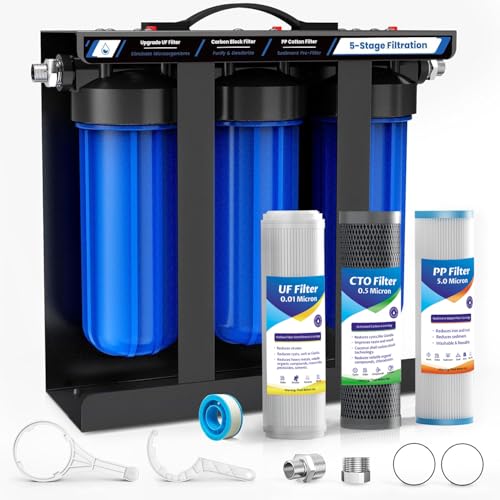 #3
#3
Best Value
RV Water Filter System,5-Stage Water Filtration for Rvs and Campers, 0.01 Micron Filters Out Sediments, Chlorine, Vocs, Heavy Metals, Odors for Travel Trailers, Boats, 1" Inlet/Outlet
$259.99
Check Price →Our Top Picks
Affiliate disclosure: if you buy through these links, we may earn a commission at no extra cost to you.
Factors to Consider
Filtration vs. Purification — know what you'll face
⚡ Quick Answer
Filters (hollow-fiber, ceramic, carbon) remove sediment, bacteria, and protozoa but usually don’t stop viruses; UV or chemical treatments are required for viral threats. On most overland routes—muddy creek crossings, spring-fed streams, and roadside taps—a good filter plus a small chemical or UV backup covers nearly every scenario. If your route hits remote international water sources or disaster zones, plan for purification rather than just filtration.
Table of Contents
Filter media and micron rating — real protection in the field
Hollow-fiber (0.1–0.2 µm) is the workhorse for overlanders: light, backflushable, and fast enough for camp use. Ceramic lasts long and handles grit in muddy water but is heavier and fragile; carbon improves taste and removes chemicals but needs swapping more often. Match media to conditions: sand and river crossings need sediment pre-filters; stagnant ponds need carbon/chemical polish for taste and odor.
Flow rate, capacity, and how many people you’re serving
Vehicles change the math—if you’re cooking for a group at a basecamp, gravity or pump systems with high throughput save time and hands. Straw-style and small pump filters are great for single riders or emergencies but slow for group dinner and gear cleaning after a muddy river crossing. Look at sustained flow under real load, not just peak flow on a spec sheet, and plan for liters per day rather than single-fill times.
Mounting, weight, and vehicle fitment
Where you mount a system matters more than you think: under-drawer pump installs need vibration-resistant fittings and freeze protection, while roof-rack jerry can setups must account for weight and sloshing during rock crawling. Inline filters for fixed tanks are tidy but require basic plumbing skills and reliable quick-connects to avoid leaks on rough trails. If you want mobile flexibility, choose a packable gravity bag or pump that stows in a drawer—heavy pump systems belong on built rigs, not on weekend mall trips.
Maintenance, spares, and field repairability
Backflushable hollow-fiber filters win for long trips: you can flush silt out on the trail, extending life dramatically. Carry spare O-rings, a sealing kit, and a basic pre-filter or sock—cheap-looking plastic connectors are the usual failure point after mud, sand, and vibration. Test your repair routine at home; nothing ruins a trip like discovering your “pretty” stainless housing leaks three miles from the nearest water source.
Frequently Asked Questions
Do I need both a filter and a purifier for overlanding?
Most domestic and backcountry sources only need filtration (to remove bacteria and protozoa) plus a secondary step for taste or chemicals. For international travel or unknown sewage-contaminated sources, add a purifier—either UV or chemical—to deal with viruses. In practice I run a hollow-fiber inline filter on the truck and carry chemical drops or a UV pen as a backup.
Which system is best for a vehicle-mounted setup?
A 12V pump feeding an inline hollow-fiber cartridge is the sweet spot for vehicle installs: fast, high-volume, and serviceable on the trail. Mount in a drawer or under-seat with vibration-isolating brackets and quick-disconnect hoses to keep it usable after mud and rock runs. If you’re building a dedicated overland rig, factor in a dedicated fresh-water tank and a simple shutoff valve for cleaning and winterizing.
Can gravity filters handle muddy river crossings?
Not without a pre-filter. Gravity bags are great at camp but will clog quickly with silty water straight out of a brown river; use a sock or coarse pre-filter to take out sediment before the main cartridge. In truly silty conditions I either pre-filter by decanting, let heavy particulates settle, or use a ceramic/pump combo designed for grit.
Is a straw-style filter (Sawyer/LifeStraw) enough for group overlanding?
Straw filters are brilliant backups and ultralight for emergencies, but they’re slow for groups and awkward for filling cooking pots or washing gear. I keep one per rider for emergency use, but bring a pump or gravity system for basecamp or multi-person meals. They’re also forgiving when mud gets on your boots—easy to clean and put back in service.
How do I prevent filter damage in freezing temps?
Most cartridges and hoses can be destroyed by freezing water inside them; drain and store filters in the vehicle cabin or insulated compartments overnight. For long cold trips, remove cartridges and keep them warm, or use antifreeze-rated mounts and insulate exposed lines. Never leave a water-filled filter exposed during a sub-freezing night after a dusty, muddy day on the trail.
How often should I replace cartridges and what spares should I carry?
Replacement intervals vary by debris load—expect to backflush hollow-fiber often and replace final cartridges every season or when flow drops significantly. Always carry spare O-rings, hose clamps, quick-disconnect fittings, and at least one spare cartridge or a compact backup filter. I also pack a small bottle of chlorine dioxide drops for emergency purification and taste issues.
Can I filter salt water or chemically contaminated water?
No—standard filters remove particles, bacteria, and protozoa but not salt or many industrial chemicals. Desalination requires specialized gear not practical for typical overland trips, and chemical contamination often needs avoidance or professional-grade treatment. If you suspect chemical contamination, don’t rely on a campsite fix; source alternate water or return to a cleaner supply.
Conclusion
For most overlanders I run two layers: a vehicle-mounted pump with an inline hollow-fiber cartridge for daily camp use, plus a Sawyer-style squeeze or straw as a light, reliable backup and chemical drops or a UV pen for viral or dubious sources. Weekend warriors do fine with a gravity bag or high-quality pump filter and a candied backup; dedicated builds should budget for a hard-mounted pump, quality fittings, and a winterization plan.


