

Best Portable Solar Panels For Overlanding
🏆 Top Picks at a Glance
 #1
#1
Best Overall
Renogy 400W Portable Solar Panel Suitcase, 23% High Efficiency Foldable Solar Charger for Power Station, Durable for Decades, with Sturdy Kickstands, IP67 Waterproof for RV Camping Off-Grid Blackouts
$499.99
Check Price →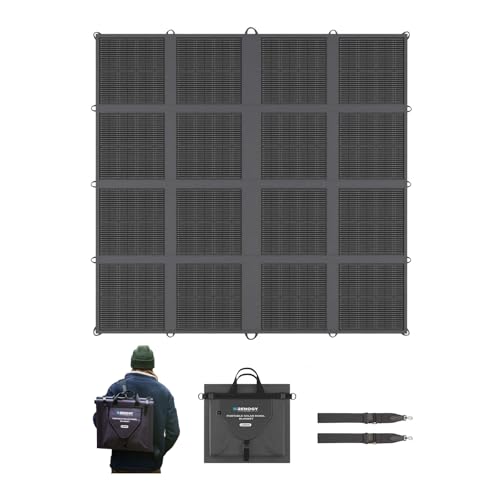 #2
#2
Runner Up
Renogy 400W Portable Solar Panel Blanket, 25% High Efficiency N-Type Foldable Solar Panel Charger for Power Station,Lightweight 16-Fold Space Save, Fast Setup for Camping, RV, Pickup, Marine Off-Grid
$469.99
Check Price → #3
#3
Best Value
Renogy 200W Portable Solar Panel, IP65 Waterproof Foldable Solar Panel Power Backup, Solar Charger for Power Station RV Camping Off Grid
$189.0
Check Price →Our Top Picks
Affiliate disclosure: if you buy through these links, we may earn a commission at no extra cost to you.
Factors to Consider
Panel type and construction: rigid, semi-flex, or foldable
⚡ Quick Answer
Rigid glass panels hold up best to constant roof-rack vibration and branch strikes on rocky trails, but they’re heavy and need solid mounts. Semi-flex panels save weight and sit low on low-profile racks, yet they scratch and delaminate faster if you drag them through brush or pack them against sand. Foldable fabric panels are the most practical for tailgate or ground deployment—easy to stow and quick to aim—but watch the seams and connectors; they look good in photos but many cheap folding units fail after a season of mud and river crossings.
Table of Contents
Wattage vs. real energy needs
Don’t buy watts because they sound impressive—map your daily amp-hour draw first (fridge, lights, comms, charging). As a rule of thumb, 200–300W of quality panels will handle a typical weekend setup with a 12V fridge and phone charges in decent sun; long trips or high-draw fridges need 400W+. Remember peak-sun hours matter: a 100W panel gives roughly 350–500Wh/day depending on season and latitude, so size panels to your real use, not peak spec sheets.
Charge controllers and battery chemistry compatibility
MPPT controllers pay off on an overland rig—more efficient when temperatures swing and panels are partly shaded, and they squeeze more amps into Li batteries than PWM units. Match the controller to your battery chemistry (AGM, flooded, LiFePO4) and battery bank voltage; incorrect charge profiles will shorten battery life. Also size the controller to the panel array: a 300–400W 12V array needs a controller that can handle the input current without throttling.
Mounting, fitment, and vehicle dynamics
Measure your rack or roof before you buy: long single panels can interfere with hi-lift jack mounts, light bars, or awnings and increase crosswind drag. Permanent bolted mounts give peace of mind on rough rock climbs, but they’re a pain to install; quick-release clamps or strap kits are handier for weekend rigs. Consider weight up high—heavy glass panels raise center of gravity and make the vehicle feel top-heavy on ledges and washboard roads.
Environmental durability: dust, water, heat, and shading
IP ratings, tempered glass, and corrosion-proof connectors matter on muddy trails and river crossings—look for waterproof junction boxes and MC4 or Anderson plugs with good strain relief. Heat kills output: panels lose efficiency on hot desert days, and sand can abrade surfaces over time, so plan for a tilt or removal in extreme heat. Partial shading from racks or spare tires will tank performance on many cheap panels; invest in panels and wiring that minimize the impact of one shaded cell.
Frequently Asked Questions
How many watts of solar do I need to run a 12V fridge on a weekender trip?
A typical overland fridge uses roughly 40–80Ah per day depending on ambient temp and how often the lid opens. In good sun, a 200–300W panel array will cover that for a weekend; if you’re in hot climates or staying off-grid longer, plan on 400W+ or carry extra battery capacity. Always estimate with local peak-sun hours—desert sun yields more than a forested mountain site.
Are portable solar panels safe to leave mounted while driving off-road?
You can leave properly mounted rigid or semi-rigid panels on a sturdy roof rack for highway and mild dirt roads, but I remove foldables and cheaply mounted panels before rock crawling or narrow singletrack. Fast rattling, close tree branches, and creek crossings can shear connectors or rip fabric panels; clamp-on or bolt systems designed for your rack are the only ones I trust for aggressive trail use.
Do I need an MPPT controller or will PWM do?
MPPT controllers are worth the cost for overlanders—more efficient in partial shade, on warm days, and with higher-voltage panels feeding a 12V battery bank. PWM is acceptable for very small, inexpensive setups where cost and simplicity matter, but you’ll lose 10–30% of potential power compared to MPPT in real-world conditions. If you run lithium batteries or a larger array, get MPPT.
How do I mount portable panels to a roof rack without drilling holes?
Use purpose-made clamp kits that bolt to crossbars, or heavy-duty ratchet straps and low-profile framing rails designed for your panel model. Avoid magnetic mounts for sustained off-road use—they can slip in mud or under lateral loads during rock climbs. If you’re not bolting panels down, double-check every strap and add secondary tethers at both ends.
Will dust, mud, or river splashes ruin my portable solar panel?
Quality panels are sealed against brief water immersion and have rugged junction boxes, but prolonged submersion, sand abrasion, and grit in seams will degrade performance over time. After river crossings or muddy runs, I hose panels off, inspect connectors, and let fabric panels dry fully before packing. Cheap panels often look fine until the first wet season—spend a bit more for real weatherproofing.
Can portable panels charge a vehicle starter battery?
Yes—panels with an appropriate controller can maintain and slowly top off a starter battery, but they’re not a substitute for a working alternator during heavy cranking or winch pulls. Use an isolator or DC-DC charger if you want safe, reliable charging while the engine runs. For recovery-heavy use (winching, sand re-starts), rely on alternator charging and use solar for house batteries and maintenance charging.
How many panels do I need to expand later, and what connectors should I look for?
Choose panels with standard MC4 or Anderson connectors so you can add more panels or reconfigure without rewiring the whole setup. Plan your charge controller capacity up front—buying a slightly oversized MPPT controller lets you add panels later without swapping gear. Wiring for series vs. parallel matters: series increases voltage and needs higher-voltage rated controllers, while parallel keeps voltage low but raises current and requires thicker cables.
Conclusion
Portable solar is one of the best upgrades for overlanding—pick rugged construction, MPPT charging, and fitment that matches your rack and habits rather than chasing headline watts. For weekend warriors who deploy panels on the tailgate, a 200–300W foldable setup with an MPPT controller is usually perfect; dedicated overland builders should invest in bolted rigid panels totaling 400W+ with a quality MPPT and LiFePO4 battery bank for extended, off-grid reliability.


