

How To Choose The Right Off Road Lighting
When you're out in the wild—muddy trails, rocky passes, or night crossings—the right lighting can mean the difference between a smooth run and a stuck vehicle or worse. Good off-road lights not only boost your visibility but also improve safety, navigation precision, and confidence behind the wheel. But with so many options flooding the market, making the right choice takes some know-how.
Our Top Picks
Affiliate disclosure: if you buy through these links, we may earn a commission at no extra cost to you.

This guide cuts through the marketing noise and shares proven advice from years of real-world overlanding. No fluff—just what actually works in the dirt, rain, and pitch-black night. Whether you're a weekend warrior or building a dedicated overland setup, this is your roadmap for lighting that performs where it matters most.
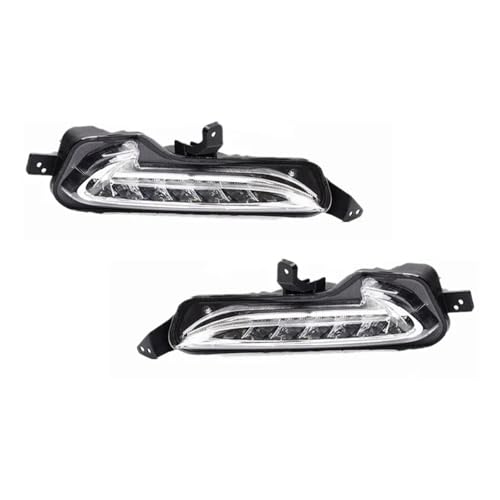
Fog Lamp for Changan for Alsvin 2018 Front Bumper Fog Light Daytime Driving Running Lamp Headlamp Car Light Assembly New Auto Accessories Off Road Lights(Only 1 Right)(1set)
$215.46Check Price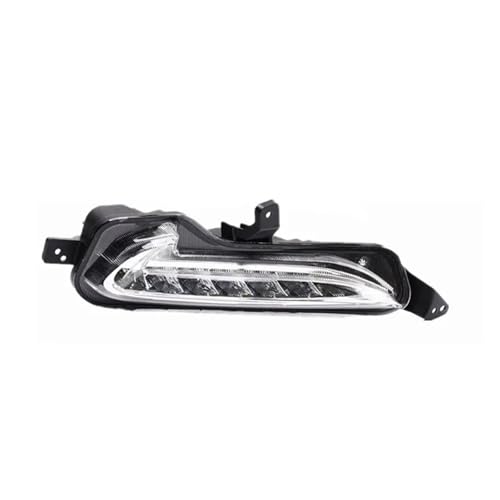
Table of Contents
Why Off-Road Lighting Matters
During a muddy, rutted trail or river crossing after sunset, good lighting transforms night into day. Standard vehicle headlights are designed for paved roads—rarely cut it when you're tackling deep snow, thick brush, or pitch-black forest roads. Extra off-road lights help you identify obstacles, spot wildlife, read trail obstacles, and navigate tight spots.
Beyond visibility, quality lighting adds safety. Knowing when a sharp rock or log is nearby prevents wheel damage. Plus, reliable lighting reduces fatigue—your eyes don’t strain trying to see every detail in poor light. Bottom line: investing in solid off-road lighting pays dividends in safety, confidence, and preventing damage in challenging terrain.
Types of Off-Road Lights
Three main types dominate the field: LED cubes, light bars, and spotlight/ditch lights. Each has its strengths and weaknesses depending on your off-road style and vehicle setup.
LED Cubes: Small, compact, and insanely durable. Typically mount on your roof rack, grille, or bumper. They’re ideal for widespread flood lighting and are easy to position where you need them. Expect to pay around $50-$150 each, depending on brightness and build quality. Used in pairs, they give broad coverage behind or to the sides.
Light Bars: Long, sleek bars that come in single rows or double-row configurations. They excel at pushing a huge punch of light forward—perfect for high-speed trail runs or long-distance spotting. They’re weight-efficient but can be a pain to mount on tight or curved surfaces. Expect prices from $100-$300 for quality units.
Spotlights & Ditch Lights: These are focused beams, ideal for piercing through fog, dust, or hitting a trail hazard at a distance. Ditch lights mounted on your A-pillars or roof rack give excellent front coverage when navigating tricky sections at night.
Choosing the Right Beam Pattern
Beam pattern is critical, often more so than raw brightness. You need the right spread and distance based on your typical terrain and driving style.
- Flood Lights: Wide, low-angle beams that cover more ground side-to-side. Perfect for close-in trail work, campsite setup, or illuminating the wheel wells when traversing mud or sand. They reduce shadows under the vehicle but have limited throw.
- Spot Beams: Narrow, long-distance beams designed for high-speed cruising on open trail sections or reaching across river crossings. They cut through dust and fog better but can leave your immediate surroundings dark.
- Hybrid/Combo: Some LED bars and lights offer adjustable beam patterns. They’re versatile but usually cost more. Best if your trail conditions vary widely.
Brightness and Coverage
The common measurement for brightness is lumens. More lumens mean brighter light, but that’s not the whole story. You also want a balanced beam pattern. A 10,000-lumen light bar isn’t always better if it’s a single, super-narrow beam. You’ll get better results with a moderate lumen output paired with a wide spread.
Real-world trail testing shows that around 4,000–6,000 lumens per light is sufficient for most trail duties. Overly bright lights can blind oncoming drivers or wash out your vision in dust and fog, so aim for usable light, not just raw output. Coverage—how much terrain you illuminate—matters more in tight trails, while throw distance is king on long straights or river crossings.
Mounting & Durability
Off-road lights see some serious abuse—vibration, water, mud, impacts. Look for lights with solid aluminum housings, corrosion-resistant finishes, and impact-rated lenses (polycarbonate rather than glass). Mounting brackets should be robust—quickly ripping off on rocky ground is the last thing you want.
If your vehicle is a daily driver and weekend trail toy, simple adjustable mounts are fine. But for serious overland builds, consider heavy-duty mounts with vibration dampers. Remember: waterproof ratings matter—IP67 or better is standard. When crossing water crossings, think about the wiring—sealed connectors and relays designed for off-road conditions help avoid roadside failures.
Practical Tips & Real-World Testing
In the field, I’ve learned that cheap Chinese knock-offs often fail when you need them most—failing lenses, moisture intrusion, or weak wiring. Invest in reputable brands known for off-road durability. When testing your setup, simulate trail conditions—mud, rain, rough terrain. Find out if lights loosen, crack, or flood during a river crossing.
Placement is crucial. High-mounted lights give a broader view at night, but they can be obscured by tree branches or brush in tight trails. Under-bumper floodlights are great for close-quarters work. Also, carry spare fuses and wiring—field repairs are common in the backcountry.
Frequently Asked Questions
Can I run off-road lights together with my factory headlights?
Yes. Just make sure they’re wired on a proper switch, and use relays to prevent wiring overload. Don’t rely on your factory dimmer switch to handle extra loads.
Are LED lights reliable for off-road use?
Generally yes. High-quality LEDs with sealed housings are durable and energy-efficient. Cheap units often fail early, especially in muddy, wet conditions. Stick with brands that have proven off-road toughness.
How many lumens do I really need?
For most trail work, 4,000–6,000 lumens per light is enough. Going overboard doesn’t add value unless you’re running at high speeds over long distances.
Is it worth adding a light bar or just use spread beams?
A combo of both is best. Use spread floodlights close in and a longer-reaching spot beam for open stretches. Flexibility beats having only one type of light.
Do off-road lights impact legal or insurance issues?
Check your local laws. In some areas, overly bright lights may be illegal on public roads. Off-road, they pose no issues—just be responsible and turn them off when not trail riding.
Conclusion
The right off-road lighting setup enhances safety, visibility, and confidence on tough trails. Smart choices—balancing beam pattern, mounting durability, and real-world testing—are key. Remember, the best lights are the ones that work when it counts, not just look good in photos. Take the time to select and set up your lights properly, and they’ll serve you well on your next adventure.
Start by assessing your trail conditions, choose a versatile setup with flood and spot beams, and test thoroughly before hitting the woods at night. Gear smart, drive safe, and let your lights do the heavy lifting out there.


