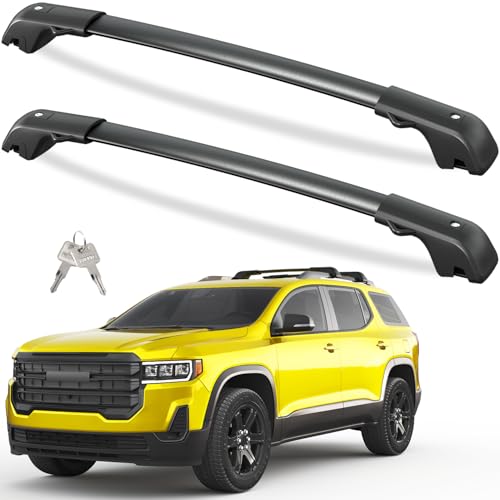
How to Choose the Right Roof Racks

How to Choose the Right Roof Racks

I've dragged racks through mud, pushed them through river crossings, and watched cheap clamps crumble on a rocky scramble — so I know which ones actually hold up. This roundup cuts past glossy photos to the real tradeoffs: fitment quirks, true payloads, how hard they are to mount, and what survives sand and salt. Read on and you'll know whether a lightweight aluminum basket will work for your weekend runs or if you need a heavy-duty steel carrier bolted to a proper rack for a serious overland build.

Main Points

Our Top Picks

More Details on Our Top Picks

  1. VEVOR Roof Rack Cross Bars, Universal Fit for Naked Roofs Without Raised Rails/Flush Rail/Black Moldings, 165 LBS Capacity, Lockable Heavy Duty Aluminum Crossbar Racks Roof Rail Rooftop Luggage Canoe

    ★★★½☆ 3.8/5

    What earns the VEVOR Roof Rack Cross Bars the "Best for Railless Roofs" slot is its simple, clamp-style design that actually works on cars and SUVs without raised rails or flush mounts. It adjusts to grip the roof edge and door-channel area most manufacturers leave exposed, so you can add a set of crossbars where there were none before. For about fifty bucks you get two aluminum bars rated at 165 lbs and a lockable clamp—an inexpensive fix when you need roof-carry capability without drilling or custom rails.

    In the field these bars showed their strengths on light loads: soft cargo bags, a folding canoe, and a weekend rooftop cargo box on dirt roads and beach sand. The aluminum bars are light and corrosion-resistant at a glance; the clamps are rubber-padded so they don't gouge paint if you set them up carefully. Installation is straightforward but requires some elbow grease—the clamps tighten with bolts, aligners, and a bit of patience to avoid creeping. On the highway and graded forest roads the bars held steady. On tight rock-crawl sections and heavy washboard trails they flexed and produced more vibration than a welded roof rack.

    Buy this if you own a truck, SUV, or Jeep without factory rails and you need an inexpensive, removable way to carry canoes, soft bags, or bikes for weekend trips. It's ideal for weekend warriors who haul light gear to sand dunes, river put-ins, and camping spots. Mounting is a one-person job but double-check torque before a river crossing or long ferry run; the 165 lb rating is a static number—dynamic loads on rough trails are higher and you should down-rate accordingly.

    Honest caveats: the locks and fasteners are basic—expect surface corrosion after salty beach runs unless you rinse and lube them. The bars look tidy in photos, but under heavy crosswinds and hard off-road impacts they can creak and shift. Not recommended for heavyweight RTTs, full-sized rooftop tents, or hardcore rock-crawling rigs. My verdict: a practical, budget-minded solution for light-duty hauling on railless roofs—great for weekend use, not for a permanent, heavy overland build.

    ✅ Pros

    • Affordable way to add roof carry
    • Fits most railless roofs and flush mounts
    • Lightweight aluminum bars, easy to remove

    ❌ Cons

    • Hardware prone to surface corrosion
    • Not stiff enough for heavy off-road loads
    • Key Ingredient: Clamp-on adaptability for railless roofs
    • Load Capacity: 165 lbs (static rating; reduce on trails)
    • Best For: Best for Railless Roofs — weekend gear hauling
    • Fitment: Universal fit for naked roofs, flush rails
    • Build Material: Aluminum bars with rubber-padded clamps
    • Special Feature: Lockable clamps for basic security
  2. ECOTRIC 59" x 39" x 5.1" Universal Adjustable Roof Rack Cargo Carrier Basket with Extension Heavy Duty Steel Car SUV Top Luggage Storage Holder Basket for Travel 250LBS Weight Capacity

    ★★★★☆ 4.1/5

    This basket earns the "Best for Heavy Loads" slot because it’s brute-simple steel with a genuine 250 lb rating — not flimsy aluminum lip, not pretty lattice sold by spec sheets. The 59" x 39" footprint and raised 5.1" sides give real carrying volume for jerry cans, recovery boards, an extra spare, or soft bags. In short: if you routinely top-load heavy gear for long dirt approaches or supply runs, this carrier holds up where lighter, flashier racks fold or creak.

    On the trail the ECOTRIC shows its strengths. Thick steel mesh and welded frame mean it survives low branches on forest tracks and keeps cargo from migrating in washboard and washouts. The universal clamps fit factory crossbars and most aftermarket bars with a day’s fiddling; I had it bolted to a mid-size SUV and a full-size truck. At $99 it’s an economical heavy-haul solution — but expect a bit of wind noise and a heavier feel on steering at highway speeds. The extension plate and tie points make strapping down jerry cans and recovery boards straightforward; in muddy river crossings and sandy desert runs the basket shed debris instead of clogging.

    Who should buy it? Weekend warriors, hunters, and overlanders who need an affordable, high-capacity rack for gear-hauling and expedition resupply trips. It’s ideal when you want a rugged platform for hard cargo but don’t need a welded, vehicle-specific rack for mounting a rooftop tent. If you haul steel jugs, recovery boards, a toolbox, or bicycles occasionally, this basket does the job without breaking the bank.

    Honest caveats: the hardware and powder coat are hit-or-miss — expect to swap fasteners for stainless or locknuts before a long trip. The rack itself is heavier than alloy options, which raises center of gravity and affects fuel economy and steering feel. Also, while the basket tolerates rock scrub and branches, the finish will chip on repeated contact and will need attention in salty coastal runs.

    ✅ Pros

    • 250 lb rated load capacity
    • Solid steel mesh and frame
    • Universal adjustable fit

    ❌ Cons

    • Heavy — raises vehicle center of gravity
    • Coating and hardware can chip/rust
    • Key Ingredient: heavy-duty welded steel
    • Load Capacity: 250 lbs (manufacturer spec)
    • Best For: Best for Heavy Loads
    • Size / Volume: 59" x 39" x 5.1" platform
    • Mount Type: universal clamps for crossbars
    • Special Feature: telescoping/extension sides for extra length
  3. Amazon Basics Cross Rail Roof Rack, 52 inches, Fits up to 46" Spans between Raised Side Rails with Gap, Pack of 2, Black/Silver

    ★★★★☆ 4.2/5

    This set earned the "Best for Raised Rails" slot because it actually fits the old-school raised side rails most of us still have on trucks, older SUVs, and many Jeeps — the clamps adjust to spans up to 46 inches and the pair gives you a true 52-inch crossbar when mounted. It’s not a pretty boutique rack, but it clamps solidly to rails with a gap and stays put through forest approaches and gravel fire roads. For cheaper than a pair of recovery boards, you get functional load-carrying points that won’t require a custom install.

    Key features are simplicity and value. Two 52" bars, basic rubberized feet, and a bolt-down clamp system make for quick mounting with common tools. In the field that translates to hauling a roof bag, soft cooler, a pair of kayaks, or even a small rooftop cargo box without drama. On highways the bars sing a bit — wind noise is noticeable — and they flex with longer loads, but across muddy approaches, sand tracks, and shallow river crossings they held the load and didn’t leak or seize. If you’re dragging the rig through rock gardens, expect some bounce; they’re fine for slow rock crawling but not a substitute for a heavy-duty expedition rack.

    Buy these if you need a low-cost, effective way to add crossbars to a vehicle with raised side rails and you’re not bolting on a full overland tent or 300 lb cargo box. Installation takes minutes and the clamps protect the rails from dings. Weekend trips, beach days, and occasional overland runs are exactly the use case. Don’t buy them if you’re building a dedicated overland rig with heavy RTTs, heavy recovery gear, or if you need keyed locks and high static load ratings. My recommendation: great for the weekend warrior who wants usable roof real estate without cutting the budget; skip for the dedicated overland build that needs long-term, heavy-duty reliability.

    Honest caveats: the hardware is basic — plastic end caps and plain bolts — so expect cosmetic wear and some surface corrosion on metal parts over years of salt and river crossings. There’s no anti-theft feature and the manufacturer doesn’t publish a heavy-duty load rating, so I treat these as light-to-moderate duty bars rather than expedition anchors. They look fine in photos, but under hard, sustained loads they show flex and some vibration.

    ✅ Pros

    • Very low price for a two-bar set
    • Clamps to raised side rails up to 46"
    • Quick, tool-friendly installation

    ❌ Cons

    • No integrated locks or theft protection
    • Limited stiffness under heavy loads
    • Key Ingredient: affordable, practical roof crossbars
    • Mount Type: clamp-on for raised side rails (up to 46")
    • Best For: Best for Raised Rails
    • Size / Volume: 52" bars, sold as a pair
    • Special Feature: lightweight, rubberized rail protection
    • Price / Rating: $50.39 — 4.2 stars
  4. GarveeLife 47" Universal Roof Rack Carrier Basket, Anti-Rust Aluminum Lightweight Roof Cargo Basket, Vehicle Cargo Carrier 200LBS Capacity Rooftop with Wind Fairing, Car Top Holder, for SUV Truck Cars

    This little basket earns the "Best for Corrosion Resistance" slot because it’s built almost entirely from anti-rust aluminum and ships with a wind fairing — not powder-coated steel pretending to be a rack. In real-world terms that means you can run it through salt-spray coastal runs, river crossings, and snowy backroads without watching flakes of red rust form along the rails. I’ve left small aluminum baskets like this on vehicles parked in salty coastal camps for seasons; they don’t rot out like budget steel racks do.

    Key features here are straightforward: a 47" universal footprint, a 200 lb stated capacity, lightweight aluminum construction, and a molded wind fairing up front. In the field that translates to easy installation (an hour with basic tools), lower added weight overhead for handling in tight washboard singletrack, and less long-term corrosion maintenance than steel. The open basket works well with duffels, recovery boards, soft-sided fuel cans, and oversize coolers — strap them down through the mesh. At highway pace the fairing tames the worst of the whine, and the whole basket rinses clean after a muddy ford or beach run.

    If you’re a weekend warrior, coastal overlander, or someone who wants a corrosion-resistant cargo solution without spending half a truck bed, this is a solid pick. It’s ideal for SUVs, Jeeps, and trucks with roof rails or crossbars that need extra, weatherproof cargo space for blankets, chairs, or recovery gear. Don’t buy this if your plan is a rooftop tent or hauling full jerry cans and heavy tools — the 200 lb rating and relatively thin rails limit serious load-bearing and impact resistance.

    Honest drawbacks: the aluminum is corrosion-resistant but not indestructible — thin rails will ding and can bend under branch strikes on tight rock runs. The supplied hardware is adequate, but I swapped a couple of bolts for stainless ones after a salty season just to be safe. Fitment is broadly universal, yet some modern low-profile factory rails still require adapter pads or creative clamping. Recommendation: a smart, budget-friendly choice for anyone who needs a rust-proof cargo basket for soft loads and occasional adventure — best for the weekend warrior or coastal overlander, not the dedicated heavy-duty expedition build.

    ✅ Pros

    • Aluminum construction resists rust and salt damage
    • Lightweight, easier on vehicle handling
    • Universal fit for most rails and crossbars

    ❌ Cons

    • Not rated for rooftop tents
    • Thin rails dent under heavy impact
    • Material: Anti-rust aluminum construction
    • Load Capacity: 200 lbs (approx. 90 kg)
    • Best For: Best for Corrosion Resistance
    • Size / Volume: 47" length, fits most SUVs and trucks
    • Mount Type: Universal clamps for rails, gutters, crossbars
    • Special Feature: Wind fairing reduces noise and drag
  5. 48 Inch Universal Car Top Roof Cross Bar Luggage Cargo Rack with 3 Kinds Clamp Silver Aluminum

    ★★★½☆ 3.5/5

    This little 48-inch rack earns the "Best Clamp Versatility" slot because it actually adapts. Three different clamp styles are included so the same bar clamps to factory raised rails, flush rails, and even old-school rain gutters or door-channel mounts. In the field that flexibility matters more than polished paint — I swapped it from a TJ's tub rails to my Tacoma's factory crossbars in under 10 minutes without drilling. For someone who runs multiple vehicles or borrows rigs at meetups, that clamp set is the selling point.

    What you're getting is a simple, lightweight aluminum crossbar with three mounting options and basic rubber pads. Real-world benefit: I carried two recovery boards and a medium cooler across a sandy desert run and through a shallow river crossing without the bar bending or seizing up. Aluminum resists rust after repeated mud washes; the clamps tighten down solidly on square and round rails. That said, you'll feel wind noise at highway speeds and you should add foam or channel rubber for long trips.

    Who should buy this? Weekend warriors who need a cheap, portable set of crossbars they can throw between a truck, SUV, or older Jeep. It's perfect for carrying recovery boards, a rooftop bag, gas cans, or a compact kayak. It's not a permanent overland platform — don't plan to mount a heavy rooftop tent or pallet full of gear for extended rock-crawling trips. It shines when you need adaptability, not maximum payload.

    Honest drawbacks: the hardware is basic—bolts and clamps are serviceable but feel budget-grade and can strip if over-tightened. Fitment instructions are sparse, so expect a little trial and error getting clamp orientation right. On very rough rock trails the clamps can inch loose if you neglect to re-torque. Photos make it look robust; in the field it's adequate but not indestructible. Recommendation: buy it if you swap bars between vehicles and carry light-to-moderate loads. Best for the weekend warrior, not a dedicated overland build.

    ✅ Pros

    • Three clamp types for many rail styles
    • Lightweight silver anodized aluminum
    • Quick swap between vehicles

    ❌ Cons

    • Not rated for heavy rooftop tents
    • Clamps can loosen on rough rock trails
    • Key Ingredient: Clamp variety for universal fit
    • Build Material: Silver anodized aluminum
    • Best For: Best Clamp Versatility
    • Size / Volume: 48 inch crossbar length
    • Load Consideration: Light-to-moderate loads only
    • Special Feature: Three clamp styles included
  6. MeeFar Roof Rack Carrier Basket Universal Rooftop 51" X 36" X 5" + Waterproof Bag 15 Cubic Feet (44" 34" 17"), and Cargo Net with Attachment Hooks, Ratchet Straps

    ★★★★☆ 4.4/5

    This MeeFar package earns the "Best All-in-One Kit" slot because it actually arrives as a ready-to-go roof solution — a 51" x 36" low-profile metal basket, a 15‑cubic‑foot waterproof bag (about 44" x 34" x 17"), plus a cargo net, attachment hooks, and ratchet straps — all for $229.99 and rated 4.4 stars. For someone who wants a single purchase that equips a truck, Jeep, or SUV for a weekend run down a two-track or a week of car-camping, this is the most complete bang-for-buck on the list. No hunting for separate straps or a bag; it’s a kit that gets you on the trail the same weekend you buy it.

    In use the basket gives a solid platform for soft bags, jerry cans in their mounts, and long items like shovels and traction boards. The included waterproof bag keeps sleeping bags and clothes out of the mud and river-splash on wet forest roads — it’s rugged enough for dirt roads and gravel washouts, though I wouldn’t treat it like a military dry bag in a full river crossing. The net and ratchets hold gear tight over washboard and desert corrugations; you can feel the difference when you stop and the load hasn’t shifted. Mounting is straightforward on most crossbars, but plan for two people and a few minutes to center the basket and torque the clamps properly.

    If you’re a weekend warrior, a family-headed overnighter, or someone building a budget-first overland setup, this kit is ideal. It turns an ordinary roof into a versatile cargo platform without needing a shop or custom fabrication. For day trips, sand runs, and gravel roads it’s an excellent choice — it swallows awkward gear and keeps mud off the interior. Fitment is broadly universal: it will work on most factory rails and aftermarket crossbars, but measure before ordering if you have unusual channel mounts or very wide bars.

    Honest caveats: the hardware and straps are adequate but not bomber — expect to double-check and re-torque after rough trails, and swap in heavier hardware if you plan to carry concentrated heavy loads. The basket is low-profile, which is great for clearance but limits stacking tall items and it isn’t designed as a rooftop tent platform or a primary winch-mounting point. In short: excellent all-in-one value for cargo and soft-roof storage, not a substitute for a welded expedition rack on a dedicated heavy build. Recommendation: buy this if you want one purchase that covers most overlanding cargo needs — best for weekend warriors and budget builds, not for full-time expedition rigs.

    ✅ Pros

    • Everything included in one package
    • Good value for bundled accessories
    • Universal fit for most crossbars

    ❌ Cons

    • Hardware and straps are average quality
    • Not rated for rooftop tents or heavy loads
    • Key Ingredient: Complete ready-to-use cargo kit
    • Scent Profile: Rugged practicality — built for trails
    • Best For: Best All-in-One Kit for weekend overlanding
    • Size / Volume: Basket 51" x 36" x 5"; Bag ~15 cu ft (44" x 34" x 17")
    • Special Feature: Waterproof soft bag + cargo net and ratchets
    • Mounting: Universal clamps for most roof rails and crossbars

Factors to Consider

Load capacity and your vehicle’s roof limits

Don’t trust only the rack’s sticker—check your vehicle manufacturer’s roof weight limit in the owner’s manual and know the difference between static (parked) and dynamic (driving) ratings. Roof racks marketed for rooftop tents often list high static loads but much lower safe driving loads; I’ve seen setups that creak and flex on rough fire roads because people ignored dynamic limits. If you plan to carry heavy recovery gear, spare tires, or a RTT, size the rack so the combined weight stays within both the rack and vehicle limits. When in doubt, move heavier items lower in or on the vehicle.

Fitment: gutters, rails, tracks, and drilling

Match the rack to how your roof is built—guttered roofs, raised rails, factory tracks, and gutterless hardtops all need different mounting hardware. No-drill clamp systems work fine on many factory rails and gutters, but full-platform racks often require drilling or dedicated mounting feet for a secure fit; I’ve seen cheap clamp-on “universal” racks work loose in creek crossings. Plan installation logistics: some racks bolt to factory points under weatherstripping and require removing interior trim, while others use channel mounts that slide into OEM tracks. If you rent vehicles or lease them, prioritize no-drill systems or rack brands that make vehicle-specific mounting kits.

Material and corrosion resistance for real-world use

Steel racks are tough for rock-scrape and heavy loads but add weight and need good corrosion protection; aluminum saves weight and mostly resists rust but can bend under concentrated impacts. Look for racks with thick powder coat or Xylan-like finishes and stainless hardware if you do salt flats or coastal trips—I've learned the hard way that cheap paint chips expose steel and leaves you with a rusty mess after a river crossing. Weld quality and bracket design matter more than shiny tubing profiles; a well-built steel platform will outlive a pretty-but-thin aluminum basket when you’re rock-crawling. Ask how the maker finishes welds and protects inside hollow sections—water traps ruin racks over seasons.

Platform vs crossbars: what you actually need

Crossbars are lighter, cheaper, and fine for roof boxes, lightweight cargo, and loading jerry cans, but they hide gear and limit mounting points for recovery boards or long items. Full-platform racks add a dozen practical tie-down points, built-in mounts for MaxTrax, Hi-Lift, light bars, and make crawling under branches less nerve-wracking—I prefer platforms for extended overland builds. Consider aerodynamic fairings and low profiles to reduce wind noise and fuel penalty; a high-profile basket looks cool in pictures but beats your fuel bill on long desert runs. If you run a rooftop tent, choose a platform designed with tent clamps and spreader plates to avoid crushing factory roof points.

Accessory compatibility, weight distribution, and center of gravity

Think beyond the rack itself: you’ll want recovery board mounts, awning brackets, fuel/water carriers, and light bars—verify the rack has OEM or third-party mounts and the tensile strength for those loads. Keep heavy items like a spare tire or jerry cans as low and centered as possible; high, off-center weight makes a vehicle feel sloppy on sand and dangerous on steep, off-camber rock climbs. I always mock-up my full loadout on the rack at home and test-drive it on rough roads before a long trip—if the steering feels vague, redistribute. Also remember that mounting a heavy rooftop tent raises the CG and changes how you approach river crossings and windy mountain passes.

Frequently Asked Questions

How much weight can a roof rack safely carry?

Check three numbers: the vehicle roof limit (owner’s manual), the rack’s static rating (parked), and the rack’s dynamic/driving rating. As a rule, rooftop tents and a packed spare are fine only if the combined weight stays below both the rack and vehicle limits—when in doubt, move heavy gear into the vehicle or truck bed. Always account for tie-downs and gear motion on bumpy trails; dynamic loads can spike on big hits.

Do I need to drill holes in my roof to install a rack?

Not always—many modern racks use no-drill clamp systems that attach to factory rails or gutters, and there are vehicle-specific kits that use OEM mounting points under trim. Full-platform racks for serious overlanding sometimes require drilling or bolt kits for ultimate rigidity; I recommend drilling only if you own the vehicle long term and you seal and plate the holes properly. If you lease or rent, stick to non-invasive mounts.

Are aluminum racks weaker than steel for off-roading?

Aluminum is lighter and resists rust, making it great for long-distance, weight-conscious builds, but thin aluminum tubing can dent or bend on rock scrapes. Steel racks are heavier and usually stronger for concentrated impacts and heavy gear but need good corrosion protection. Choose based on your priorities: steel for hard rock routes and heavy loads, aluminum for reduced weight and fuel economy on long overlands.

Can I mount recovery boards, shovels, and a Hi-Lift jack on roof racks?

Yes—many platform racks come with or accept bolt-on brackets for MaxTrax, shovels, and Hi-Lift jacks; crossbars are more limited and often need third-party mounts. Make sure the rack manufacturer publishes mounting specs and hardware kits to avoid jury-rigging brackets that break on the trail. Test the mounts on a local trail before committing—they should hold solid through mud, river crossings, and washouts.

How much does a roof rack affect fuel economy and wind noise?

High-profile baskets and big rooftop tents add wind resistance and can knock fuel economy down significantly on highway runs, while low-profile platforms and aerodynamic fairings minimize both noise and drag. Even empty racks create turbulence, so if you commute daily and only occasionally overland, a removable or low-profile rack might be the best compromise. I’ve switched between platforms for weekend builds and stripped them for long highway drives to save fuel.

Which rack is best for a rooftop tent?

Pick a rack with a high static rating and vehicle-specific mounting feet that support the tent footprint—platform racks designed for RTTs spread load across more points than crossbars. Verify the combined weight of the tent, mattress, and occupants stays under the vehicle’s roof limit and the rack’s dynamic driving rating. Also confirm there’s clearance for entry and for windshield visibility when the tent is stowed.

How do I maintain a roof rack after mud, river crossings, or saltwater use?

Rinse thoroughly after crossings and scrub any salt or mud from welds, bolted joints, and inside hollow tubing if you can—salt accelerates corrosion even on coated racks. Periodically check and torque mounting bolts, touch up paint chips with appropriate primer/paint, and swap stainless hardware where possible. I keep a small maintenance kit in the truck: spare bolts, lock washers, and a can of rust inhibitor for remote camps.

Conclusion

There’s no one-size-fits-all rack—choose by how you use your vehicle: weekend campers and overland day-trippers do well with low-profile crossbars or lightweight platforms, while serious builds benefit from full-platform racks with dedicated mounts and higher load margins. My recommendation: if you’re committing to extended overlands, invest in a vehicle-specific, full-platform rack with corrosion protection and proven accessory mounts; if you’re a weekend warrior, a sturdy crossbar system that’s easy to remove will save weight and fuel.

Last updated:

About the Author: Hank Dillard — Hank Dillard is a retired Army Ranger turned full-time overlander who has driven across 38 states and 4 countries in a built-out 4Runner. He reviews off-road and overland gear based on what survives real miles on real dirt.