

How To Choose The Right Overlanding Tents
Choosing the correct overlanding tent isn't just about size or price — it’s about matching your gear to your routes, your vehicle, and your style of adventure. Been on trails where your tent’s field performance matters more than how it looks online. That rugged, all-weather tent can make or break a trip if it leaks, collapses in wind, or takes forever to set up after a long day of rock crawling or river crossings.
Our Top Picks
Affiliate disclosure: if you buy through these links, we may earn a commission at no extra cost to you.


There’s a lot of options out there: soft-shell, hard-shell, pop-up, rooftop, bivy-style — knowing what’s reliable in real-world conditions is the key. The right tent should stay dry in mud, withstand mountain gusts, and be manageable on the trail. Let’s cut through the BS and get practical advice you can trust from someone who’s tested gear in the dirt, snow, and sand.
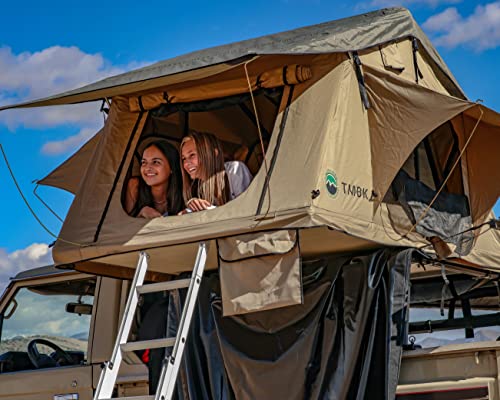
Table of Contents
Types of Overlanding Tents
Because overlanding often means remote, variable conditions, the type of tent you pick matters. The main options are rooftop tents, traditional ground tents, and hybrid/nest-style setups. Each has pros and cons that perform differently in muddy ruts, river crossings, or high winds.
Rooftop tents are a favorite among hardcore overlanders. They sit high, away from ground moisture and critters, and tend to be quick to deploy once you’ve leveled your vehicle. They excel in wind resistance and provide a sizable sleep platform with many models including annexes or awnings for weather protection. However, they add weight to your rack and can be noisy in a storm if not well-insulated.
Ground tents are familiar and often lighter, but they require a solid, level base. Look for rugged, abrasion-resistant fabrics and strong zippers you can trust in the field. Some models are designed specifically for overland use, with reinforced floors and weatherproof fabrics. They’re versatile but can be more time-consuming to set up after a long day on uneven terrain.
Size, Weight, and How They Fit Your Vehicle
Size isn’t just about fitting your friends — it’s about packing enough room for comfort without overloading your rack or making your vehicle too top-heavy. Tents range from compact bivy-style options perfect for solo adventures to large family models. Think about how much gear you’ll carry inside, including cots, thermals, and extra bedding for cold nights.
Weight matters. A heavy rooftop tent (60-100 lbs) can strain your racks, especially if they’re not designed for it. Lighter models (around 50 lbs or less) are easier to handle but sometimes sacrifice durability or features. Remember, when fully loaded, your vehicle’s center of gravity shifts, which affects off-road handling—crucial when crossing sand, snow, or rocky trails.
Measure your rack’s maximum weight capacity and check the tent’s folded size to ensure it fits comfortably. Prioritize quick deploy models if you plan to camp often and need to set up fast — whether you're caught in a storm or just want to get out of the heat quickly.
Weather Resistance & Durability
Overlanding means weather is unpredictable. Rain, wind, cold, and even snow are part of the game. When choosing a tent, check its fabric ratings. Strong, waterproof materials like 150D-210D polyester ripstop with sealed seams are crucial. Cheap fabrics or poor seam sealing will fold in rain, especially in prolonged storms or river crossings.
Also, consider ventilation. Good airflow prevents condensation, which is a common problem in humid climates or during winter. Mesh panels underneath rainflys can help keep bugs out while letting warm, moist air escape. In high winds, a well-anchored tent with solid stakes and guy lines keeps you from waking up on the ground.
Don’t overlook durability — tents are subjected to abrasions from trees, rocks, and gravel roads. Reinforced floors, heavy-duty zippers, and sturdy pole systems are a necessity if you want longevity from your investment.
Setup Time & Ease of Use
After a long day of mud and rock crawling, no one wants to wrestle with complex tent systems. Modern tents range from pop-up instant setups to traditional pole-and-clip designs. For serious overlanding, simplicity counts. Look for tents with minimal parts and intuitive attachment points.
Rooftop tents with gas-strut assisted hinges can unfold in less than two minutes if packed properly, but they often require a bit of practice. Ground tents with quick clip or pole sleeves are more manageable, especially if you’re alone or in a hurry. Take your time during the test setup at home so you’re not fumbling on the trail.
Also, consider how the tent stows when packed. Heavy or awkward bags slow down your setup routine. Some tents pack into compact bags that fit behind a seat or in a smaller cargo area, which is a plus for limited vehicle storage.
Features to Look For
Beyond size and weatherproofing, other features can make or break your overland tent experience. Look for integrated gear pockets and gear lofts to keep small essentials organized. Windows with insect screens and rain covers add versatility and comfort.
Annexes or awnings expand your shelter or cooking space, and can protect you from sun or rain while cooking. Some tents come with built-in LED lighting or USB ports for charging devices during long nights in the field. While tempting, avoid overly gimmicky features that fail under tough conditions — focus on rugged durability and practical design.
Finally, think about how easy it is to repair. Zipper failures, torn fabric, or broken poles happen, especially in remote spots. Tents with spare parts or easily replaceable components are worth the extra investment.
Frequently Asked Questions
Are rooftop tents worth it for off-road adventures?
Definitely, if you want quick setup and to stay off the muddy ground. They excel in wind resistance and keep you above snow, mud, and water. But weigh the added roof load and check your vehicle's rack capacity.
How do I prevent my tent from leaking in heavy rain?
Choose a tent with a high waterproof rating, sealed seams, and a rainfly that extends well beyond the tent walls. Regularly inspect and reseal seams and waterproof zippers for long-term reliability.
What’s better for cold overlanding nights: a hard-shell or soft-shell tent?
Hard-shell (pop-up) roof tents often have better insulation and retained heat, but proper thermal blankets or down-insulated sleeping bags are crucial. Ground tents with insulated liners can also work well.
Can I tent on uneven ground or rocky terrain?
Yes, but pick a tent with strong, flexible poles and durable fabrics. Use extra stakes, deadmen, or rocks to secure stakes in loose soil or gravel. Always level the area as best as possible.
What size tent do I need for a family of four?
Go for a 3-4 person tent at minimum. Factor in gear storage and cold-weather gear. Some overlanders opt for larger tents with separate sleeping areas for comfort on multi-day trips.
Is a quick-deploy tent reliable in high winds and storms?
If properly anchored with high-quality stakes and guy lines, yes. But always check the wind rating before going into severe weather — sometimes a traditional tent with stakes and extra guy lines is more secure in gale-force winds.
Conclusion
Choosing the right overlanding tent is about balancing durability, ease of use, size, and weather resilience. Think about your typical routes, climate, and how much time you spend on setup — the most rugged tent isn’t worth it if it’s a hassle after a long day in the mud. Practical, field-tested gear wins over shiny marketing every time. Pick a model that fits your rig, your style, and your willingness to fuss on trail. With the right tent, every night in the wild becomes a comfortable, secure sleep—ready for the next day’s adventures.
Start by assessing your typical conditions and size needs, then choose a proven model. From weekend warrior to full-on overland rig, the right tent makes every trip more enjoyable and reliable. Happy camping, and stay safe out there!


