

how to prepare a 4x4 vehicle for safe st.patrick's day overlanding trips in 2026
Our Top Picks
Affiliate disclosure: if you buy through these links, we may earn a commission at no extra cost to you.

St. Patrick's Day overlanding trips are a blast—green beer, green trails, and gear that actually works when you need it. But March weather is unpredictable everywhere, and backcountry conditions don't care about your holiday plans. I've watched too many trucks get stuck, torn up, or worse because someone grabbed a checklist off the internet and didn't do the actual work. A properly prepped 4x4 isn't just about looking good at the trailhead; it's about getting home safe, keeping your crew safe, and making sure your rig performs when things get sloppy.
This guide walks you through the essential prep work: mechanical checks you can't skip, recovery gear that actually saves your bacon, shelter and cooking setups for unpredictable spring weather, and the lighting and visibility upgrades that matter when you're rolling in after dark. Everything here is field-tested and based on real miles, real mud, and real problems I've solved on the trail.
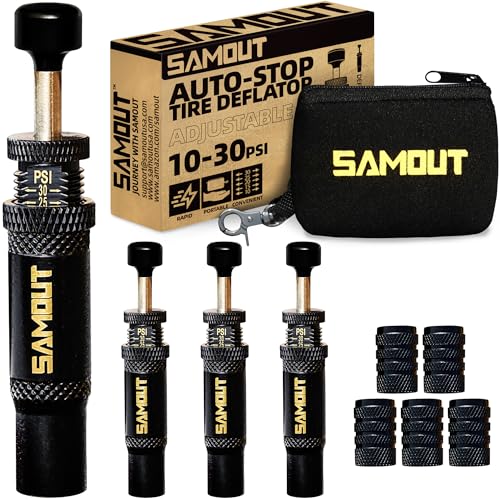
SAMOUT Adjustable Auto-Stop Tire Air Down Kit (10-30 PSI) Screw-on Tyre Deflator Tool for Offroad 4x4 Vehicle Accessories
$33.97Check Price
Table of Contents
- Mechanical Pre-Trip Inspection: The Non-Negotiables
- Recovery Gear Setup and Real-World Winch Mounting
- Skid Plates, Underbody Protection, and Spring Trail Reality
- Overlanding Tent, Camp Stove, and Shelter for March Weather
- Off-Road Lighting and Visibility Upgrades
- Roof Rack Load Planning and Weight Distribution
Mechanical Pre-Trip Inspection: The Non-Negotiables
Before you throw a single piece of gear on your truck, get under it. March trails are wet, rocky, and unforgiving. I check four core systems on every rig before a trip: fluids, brakes, tires, and suspension. These aren't glamorous, but they're what keep your engine running, your wheels turning, and you from sliding into a canyon.
Fluids first. Top off engine oil, check your coolant level (the backup system when your engine works hard climbing), brake fluid, and transmission fluid if you're running an automatic. Overland vehicles work harder than daily drivers—longer climbs, deeper water crossings, sustained throttle in sand or snow. Low brake fluid gets scary when you're heading downhill in rocky terrain. Spring melts mean water everywhere, and a blown gasket fifteen miles from the trailhead ruins the trip for your whole crew. Spend twenty minutes; save a thousand-dollar problem.
Tires are next. You need tread depth (at least 6/32 of an inch for mixed terrain, ideally more if you're doing rock crawls), even wear, and the right pressure for your terrain. Before a St. Patrick's Day trip, I deflate slightly for soft trails and mud—lower pressure increases contact patch and grip. Know your tire's load rating too; overloaded rigs with cheap tires fail on climbs and river crossings. Carry two spare tires if you're going deep backcountry, not one.
Finally, walk around and look at suspension. Look for torn boots on CV joints, leaking shocks, or bent control arms. Bad suspension makes you unstable in water crossings and on uneven terrain. If you've done heavy off-roading recently, you've earned a suspension check. And if your rig is over ten years old, it needs one regardless.
Recovery Gear Setup and Real-World Winch Mounting
You don't plan on getting stuck. Nobody does. But if you're going overlanding, you should have the gear to get yourself out without calling a $500 tow truck on a gravel road with no cell service. A proper recovery kit includes a winch (if you're doing serious trails), recovery boards, snatch straps, and shackles rated for your vehicle weight. I've seen gear fail catastrophically because someone bought the cheapest option or didn't understand weight ratings.
Winches aren't one-size-fits-all. A 9,500-pound winch on a 4,000-pound vehicle is overkill and adds weight you don't need. A 4,500-pound winch on a full-size truck will barely pull you out of deep mud. Rule of thumb: your winch should be rated for 1.5 times your vehicle's gross weight. A 6,000-pound truck needs at least 9,000 pounds of pulling power. Synthetic rope is lighter and won't snap back like steel cable, but it frays if it gets sharp—inspect it before every trip. Mount your winch low and centered, using the manufacturer's approved bracket. A sideways-mounted winch that pulls from an angle wastes energy and stresses the frame.
Recovery boards (often called recovery tracks or extraction boards) are underrated tools. They slip under your tires and give you solid contact in mud, sand, or snow. I've gotten unstuck from situations that would have required a winch just by using two recovery boards and some patience. They weigh fifteen to twenty pounds, pack flat on a roof rack, and have saved me hours of digging. Pair them with good shackles—not carabiners, not cheap hardware store D-rings. Shackles rated for your vehicle weight, from a reputable brand, rated for sideways loading. Same goes for snatch straps. A cheap snatch strap breaks and becomes a whip in your truck bed.
Skid Plates, Underbody Protection, and Spring Trail Reality
March trails are rocky. Winter hasn't fully melted yet, frost heave creates uneven surfaces, and wet rock is sharp as broken glass. Your fuel tank, oil pan, transmission pan, and differentials are all vulnerable. I run skid plates on any vehicle that's leaving pavement for more than a few miles. Full skid systems run 200 to 400 dollars depending on material and vehicle, but they save your transmission ($2,000 to replace) from one bad line over a boulder.
Aluminum skids are lighter and easier to install than steel, but they dent easier and don't absorb impact as well. Steel is heavier, adds noise, but will take a hit and keep protecting. For St. Patrick's Day trips on mixed terrain (some easy, some rocky), aluminum is fine if you drive smart. Rock crawlers and serious off-roaders run steel. Make sure your skid plates are bolted solid—not welded to your frame, because frame repairs are expensive. Check bolts before and after trips; rocks and rough ground vibrate things loose.
Don't just protect the obvious stuff. A dented fuel door doesn't matter much. A split fuel line or a punctured coolant hose does. Transmission cooler lines run near the rear differential on many trucks—a single sharp rock cuts them and you're cooking your transmission in the next ten miles. Good aftermarket bumpers and skid systems protect these runs. Budget brands that look tough but have thin-gauge material or bad mounting points fail in the field. Buy from companies that actually test their gear, not just designed it in a CAD program.
Overlanding Tent, Camp Stove, and Shelter for March Weather
March weather is a gamble. Seventy degrees and sunshine one day, freezing rain and snow the next. Your shelter and camp cooking setup have to handle both. I use a rooftop tent for overlanding because it's quick, keeps you off wet ground, and you're not wrestling with pitching in the dark when weather rolls in. A quality rooftop tent runs 1,500 to 3,000 dollars—expensive, but if you're doing multiple trips a year, it pays for itself in convenience and actually getting sleep. Cheaper tents (<$800) have thin fabric, poor ventilation, and fail when it rains hard.
If you're not ready for a rooftop tent, a quality ground tent and a good tarp setup work. The tarp keeps you dry during cooking and gear prep. Ground tents need a dry bag for sleeping bags and pads because even "waterproof" tents weep when rain is driven sideways. Three-season tents are standard; get one rated for wind, not just rain. Spring storms bring wind.
Camp cooking in March means you'll be cooking in marginal conditions—wind, maybe light snow, cold hands. A single-burner camp stove works in a pinch but fails when wind picks up. A proper camp stove setup with a windscreen, stabilizer legs, and decent cookware makes the difference between hot food and cold food. I run a two-burner propane stove in a weather shelter. Propane is reliable, consistent, and doesn't run out in the cold like white gas sometimes does. Butane fails below freezing. Know your fuel and test it in your expected conditions.
Off-Road Lighting and Visibility Upgrades
Days are getting longer in March, but you might still be on the trail at dusk or navigating an emergency situation at night. Factory headlights on most trucks are adequate for highway speeds but terrible for backcountry. Rocks, washouts, and technical terrain need more light, wider light, and better color definition. I upgraded to LED headlights and added a light bar across my roof rack. Cost was about 600 dollars total. It's worth every penny when you're picking your line through a rocky creek at dusk.
LED headlights improve on halogen in brightness, color temperature (whiter light helps you see rocks and shadows better), and longevity. They don't burn out as often. A light bar mounted on your roof rack gives you wide coverage, but it pulls power—make sure your alternator and battery can handle it. Auxiliary lights (spotlights, work lights) add even more options. Some overlanders run roof-mounted lights, bumper lights, and side-mounted lights to eliminate shadows. That's solid for long expeditions; for weekend trips, roof-mounted LED headlights and a good light bar are enough.
Visibility isn't just about seeing the trail; it's about being seen. Reflectors on your rig, a bright paint scheme, or even reflective tape helps search and rescue spot you if something goes wrong in remote terrain. It sounds extreme, but it matters. Also carry emergency lighting—headlamps or handheld lights for every person in your crew. When your vehicle stops, everyone has light. Cheap headlamps fail fast; invest in quality ones with good runtimes and reliable switches.
Roof Rack Load Planning and Weight Distribution
A roof rack is tempting—mount everything up there, free up vehicle space, look adventure-ready. But improper loading kills vehicles and kills people. Too much weight on the roof raises your center of gravity, makes the rig unstable in turns and on uneven terrain, and puts strain on your suspension and frame. Roof racks are rated for specific weight limits—not recommendations, limits. A 150-pound limit means 150 pounds, not 200 because you think you're careful.
Load heavy gear (recovery boards, spare tires, tools) low and forward, as close to the cab as possible. Load light gear (tents, sleeping bags, camp chairs) up high. Distribute weight evenly side to side. If you load 200 pounds on the passenger side and nothing on the driver's side, your rig leans and handles poorly. Most roof racks are rated 100 to 200 pounds; don't exceed it. Calculate what you're carrying—it's easy to overestimate. A rooftop tent alone weighs 100 to 130


