

How to Upgrade Your 4x4 Vehicle's Lighting System for Safe Spring Nighttime Overlanding Excursions
Spring is the time when the desert cools, the mud thaws, and the trails open up. If you're heading out in the dark, your headlights are your lifeline. But just because you've got a factory setup doesn't mean you're safe. I've seen too many rigs get stuck in the dark, not because of the terrain, but because the lighting was inadequate. Upgrading your 4x4's lighting isn't just about looking cool—it's about seeing the trail, avoiding hazards, and staying safe in the backcountry.
Our Top Picks
Affiliate disclosure: if you buy through these links, we may earn a commission at no extra cost to you.

Over the years, I've tested dozens of lighting systems in real conditions—mud, sand, rock, and river crossings. What works on the trail is different from what looks good in a catalog. I'm not here to sell gear, just to tell you what I've learned from the road. Let's get into it.
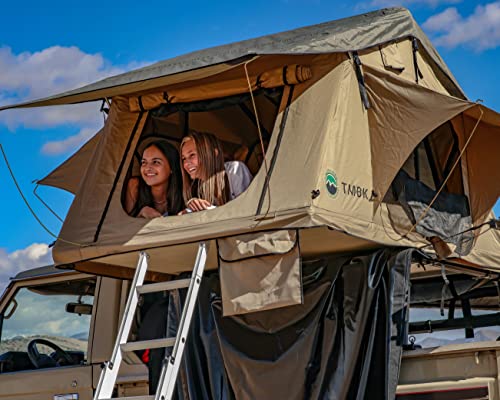
Soft Shell Rooftop Tent for SUV & Truck Camping, 3-Person - Overland Vehicle Systems TMBK - Universal Fitment with Rainfly & Ladder
$999.99Check Price
Table of Contents
Why Your Factory Lights Won't Cut It
Your factory lights are built for highways, not the backcountry. They're too dim, have limited reach, and often don't cut through the dust or mud. I've driven through a river crossing with factory lights and barely made it across before the beam died. That's not just a bad night—it's a dangerous one.
When you're off-road, your visibility is your survival tool. You need lights that can cut through the worst conditions—mud, sand, and even the glare of the sun at dawn or dusk. If you're not seeing the trail, you're not going to make it through the night. It's that simple.
Choosing the Right Light Mounts
Mounts are the foundation of your lighting system. They need to be sturdy, weatherproof, and easy to install. I've used everything from OEM brackets to custom mounts, and the best ones are those that don't compromise your rig's strength or aesthetics.
For a Jeep or 4x4 truck, I recommend using heavy-duty mounts that can handle the weight and vibration. Avoid cheap plastic brackets—they'll crack in the heat or bend under stress. If you're mounting lights on a roof rack, make sure the brackets are rated for the load and don't interfere with your roof rack's integrity.
LED vs. Halogen: What's the Real Difference?
LEDs are the way to go. They're brighter, last longer, and consume less power. I've used both in the field, and the difference is stark. Halogen lights are warm, dim, and burn out quickly. They're not built for the rigors of overlanding.
LEDs are more efficient, which means you can run them for longer periods without draining your battery. They also produce less heat, which is a big plus when you're running lights all night in the desert. If you're looking for a reliable, long-lasting light source, LEDs are the only way to go.
Mounting Your Lights: Tips for the Real World
Mounting your lights is a critical step. You want them to be secure, visible, and not interfere with your driving or off-road maneuvers. I've had lights fall off in the middle of a sand dune because the mount wasn't right for the job.
Use a combination of bolts, zip ties, and weatherproofing tape to secure your lights. If you're using a roof rack, make sure the brackets are properly aligned and tightened. Avoid over-tightening, or you'll strip the threads. Also, don't forget to protect your lights from water and dust with a sealed housing or a waterproof cover.
Adding Auxiliary Lighting for Off-Road Safety
Don't just rely on your headlights. Add auxiliary lighting for corners, under the rig, and around your campsite. I've used a combination of spotlights, floodlights, and running lights to cover all bases.
Running lights are a must for visibility when you're stopped or parked. They let others know you're there, especially in the dark. Spotlights are great for long-range visibility, while floodlights are perfect for illuminating your camp or work area. If you're doing a lot of rock crawling, a spotlight on your bumper can help you see the trail ahead.
Testing and Adjusting Your Setup
Once you've installed your lights, test them in real conditions. Don't just rely on the factory settings. Adjust the angles so the beams hit the trail and not the sky. I've seen too many people with lights pointing up, which is useless in the dark.
Test your setup in the dark, on a trail, and in different weather conditions. If you're doing a river crossing, make sure your lights are waterproof and can handle the spray. If you're in the desert, make sure they can run all night without overheating. Your lighting system should be a tool, not a liability.
Frequently Asked Questions
Will LED lights drain my battery?
No, LEDs are much more efficient than halogen lights. As long as you're using a quality power system, you'll be fine. But always carry a spare battery or a portable power source for emergencies.
Can I install lights without modifying my rig?
Yes, but you'll have to be careful. Use existing brackets or mounts, and avoid drilling into your roof rack or frame. If you're not sure, go with a universal mount that doesn't require permanent modifications.
Do I need a separate power source for my lights?
Not necessarily, but it's a good idea. A power distribution box with a fuse can help protect your system and make it easier to manage multiple lights. For long trips, consider a portable battery or a solar setup.
How do I know if my lights are waterproof?
Check the IP rating. IP67 or higher is good for most off-road conditions. Avoid cheap lights that don't have proper sealing. If you're unsure, test them in the rain or mud before heading out.
Can I use factory lights for overlanding?
Not really. They're not built for the backcountry. Even if they work, they won't cut through the dust, mud, or sand. Upgrade to a proper lighting system for real trail conditions.
What's the best way to mount lights on a roof rack?
Use heavy-duty brackets that are compatible with your roof rack. Make sure they're rated for the weight and don't interfere with your rack's strength. If you're using a custom rack, follow the manufacturer's mounting instructions.
Upgrading your 4x4's lighting system is one of the most important investments you can make for safe overlanding. It's not just about seeing the trail—it's about staying safe in the dark. If you're a weekend warrior, start with a few key lights and build from there. If you're a dedicated overlander, invest in a full lighting system that covers all angles and conditions.
Frequently Asked Questions
What is the best type of LED light for overlanding?
The best LED lights for overlanding are high-lumen, weatherproof, and designed for off-road conditions. Look for lights with IP67 or higher ratings and durable mounting options for roof racks or bumpers.
How do I choose the right LED light mounts for my vehicle?
Choose mounts that are compatible with your vehicle's roof rack or bumper and offer secure, vibration-resistant installation. Ensure they provide even light distribution and are easy to install for overland trips.
Is it worth upgrading from factory lights to LED lights for off-road use?
Yes, upgrading to LED lights is worth it for off-road use as they are more energy-efficient, brighter, and longer-lasting than halogen bulbs. They also consume less power, reducing battery drain during long trips.
How can I prevent LED lights from draining my battery during overland trips?
Use a dedicated power distribution box with a relay to isolate your LED lights from your vehicle's electrical system. This prevents overloading and ensures your battery lasts longer.
What is the difference between LED and halogen lights for off-road use?
LED lights are more energy-efficient, brighter, and longer-lasting compared to halogen bulbs. They also generate less heat and are more durable, making them ideal for overlanding and off-road conditions.
How do I install LED lights on my roof rack for overlanding?
Install LED lights on your roof rack by using secure mounts that are weatherproof and vibration-resistant. Ensure the wiring is properly insulated and protected from the elements for reliable performance.
What are the best practices for using LED lights with a 4x4 vehicle?
Use LED lights with a 4x4 vehicle by selecting models that are waterproof, durable, and designed for off-road use. Always use a relay and proper wiring to prevent battery drain and ensure safe operation.


