

How To Choose The Right Overlanding 2026
By Hank Dillard
Overlanding isn't just about buying the shiniest aluminum box to strap to your roof anymore. In 2026, the gap between "glamping" and actual expedition capability has widened. You can’t just buy a tent and hope for the best; you need a system that survives mud, sand, and rock crawls while keeping you safe and fed. The right setup isn't about what looks good on Instagram—it's about what gets you home when the trail washes out.
Our Top Picks
Affiliate disclosure: if you buy through these links, we may earn a commission at no extra cost to you.

Table of Contents

Quick Answer
To choose the right overlanding setup in 2026, prioritize structural integrity and weight distribution over aesthetics. Start with a reliable 4x4 platform, invest in critical protection (skid plates and lighting), and build a recovery system that matches your vehicle's weight. Avoid heavy, complex roof-top tents if you plan to rock crawl; instead, opt for lightweight ground tents or simple roof-top tents that won't raise your center of gravity too high. Your gear should solve problems, not create new ones.
1. The Platform: Vehicle Selection & Modifications
The foundation of any overland build is the vehicle itself. In 2026, you have more options than ever, but the core principles haven't changed. You need a vehicle with a solid frame, good ground clearance, and a drivetrain that can handle abuse. Whether you're driving a lifted Tacoma, a Jeep Wrangler, or a Land Cruiser, the key is reliability. Don't chase the latest tech if it means you'll be waiting for a part to ship from overseas while you're stuck in the middle of nowhere.
When modifying your vehicle, focus on the basics first. Lift kits are popular, but they change your center of gravity and can make your vehicle less stable on uneven terrain. If you do lift your vehicle, ensure you get proper alignment and check your driveshaft angles. More importantly, upgrade your tires. All-terrain tires are the best bang for your buck, offering a good balance of on-road comfort and off-road traction. Save the mud-terrains for dedicated rock crawlers or extreme mud boggers.
Don't neglect the suspension components. Heavy gear adds weight, and stock shocks might not handle the load. Upgrading to adjustable shocks allows you to tune your suspension for the specific weight of your build. This is crucial for maintaining control when you're carrying water, fuel, and recovery gear. A well-tuned suspension will absorb the bumps and keep your tires planted, which is essential for safety and comfort on long trails.
2. Protection First: Skid Plates and Armor
Before you add any comfort items, you need to protect your investment. Rock crawling and river crossings don't care how much you paid for your transfer case. Steel or aluminum skid plates are non-negotiable. They protect your oil pan, transmission, transfer case, and fuel tank from sharp rocks and debris. Look for plates that are thick enough to withstand impacts but light enough not to slow you down. Steel is durable but heavy; aluminum is lighter but can dent easier. Choose based on your driving style.
Don't forget the lesser-known components. Differential covers, door sills, and fuel tank skids are often overlooked but are just as vulnerable as the engine. A cracked differential cover can leave you stranded in minutes. Many manufacturers offer comprehensive armor kits that cover all the critical points. If you're on a budget, start with the engine and transmission skids, then add the rest as you can afford it.
Consider your driving environment. If you're mostly doing high-speed desert runs, you might not need heavy steel armor. But if you're tackling technical rock trails or deep mud, you need robust protection. Also, ensure that any armor you install doesn't interfere with your vehicle's approach, departure, or breakover angles. A skid plate that looks cool but reduces your clearance is a liability, not an asset.
3. Lifting the Load: Roof Racks and Tents
Your roof rack is the backbone of your overland setup. It holds your tent, storage boxes, and recovery gear. Choose a rack that is lightweight, corrosion-resistant, and compatible with your vehicle. Aluminum racks are popular because they don't add too much weight, but steel racks are stronger and can handle heavier loads. Consider the weight capacity of your vehicle's roof and the rack itself. Overloading your roof can damage your vehicle's body and make it unsafe to drive.
Roof-top tents (RTTs) are a major trend, but they come with trade-offs. They offer comfort and protection from ground moisture, but they significantly raise your center of gravity. This can make your vehicle more prone to rollovers, especially on steep slopes or during sudden maneuvers. If you plan to rock crawl or drive on technical terrain, a lightweight ground tent or a low-profile RTT might be a better choice. Also, consider the setup time. Some RTTs take 10 minutes to set up, while others can be deployed in under a minute. In bad weather, speed matters.
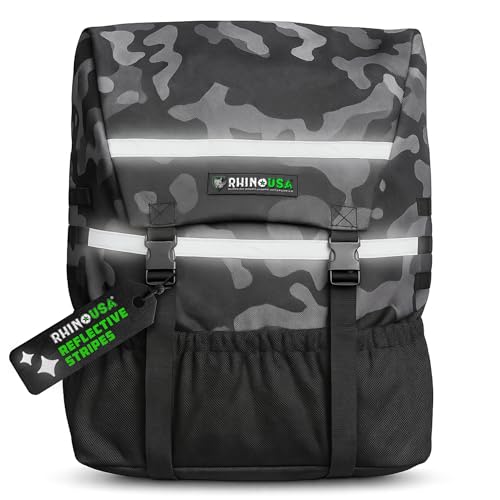
Storage is another critical factor. Hard-shell storage boxes are great for keeping your gear dry and secure, but they add weight and wind resistance. Soft bags are lighter and more flexible, but they can be harder to organize and protect from the elements. Mix and match based on your needs. Use hard boxes for heavy, durable items and soft bags for lighter, bulkier gear. Also, consider adding a roof rack tent bag or a cargo basket to maximize your storage capacity without compromising your vehicle's aerodynamics.
4. Getting Unstuck: Recovery Gear
No matter how skilled you are, you will get stuck. Recovery gear is not optional; it's essential. A winch is a great tool for self-recovery, but it requires a solid mounting point and a power source. Electric winches are popular because they are easier to install and operate, but hydraulic winches are more powerful and reliable for heavy-duty use. Always use a damper or blanket when winching to prevent the cable from snapping and injuring someone.
In addition to a winch, you need a recovery kit. This includes a snatch strap, shackles, tree savers, and a jack. A snatch strap is used for vehicle-to-vehicle recovery, while a jack is essential for changing tires in the field. Don't rely on your vehicle's stock jack; it's often flimsy and difficult to use on soft ground. Upgrade to a high-lift jack or a portable air compressor with a jack stand. Also, carry a pair of recovery boards to help you get out of sand or mud.
Practice using your recovery gear before you need it. Knowing how to properly attach a snatch strap or operate a winch can mean the difference between a quick recovery and a dangerous situation. Always communicate with your team and establish clear signals. Recovery can be dangerous if not done correctly, so take your time and follow safety protocols. A well-prepared recovery kit can save your trip and your vehicle.
5. Camp Life: Cooking, Storage, and Lighting
Once you've reached your destination, it's time to relax. But a comfortable campsite requires planning. Cooking gear should be lightweight, durable, and easy to clean. A two-burner stove is a good starting point, but consider a wood-burning stove for a more authentic experience. Don't forget a good cooler to keep your food fresh. Rotomolded coolers are expensive but worth it for their insulation and durability. For longer trips, consider a portable fridge/freezer that runs on 12V power.
Lighting is often overlooked but is crucial for safety and comfort. LED lights are energy-efficient and bright, making them ideal for campsite lighting. Consider a combination of overhead lights, string lights, and headlamps. A good headlamp is essential for moving around the campsite at night. Also, bring a lantern for ambient lighting. Avoid relying on your vehicle's headlights, as they can be blinding and attract insects.
Storage solutions help keep your camp organized and clutter-free. Use storage bins or bags to separate your cooking gear, clothing, and tools. Label everything clearly so you can find what you need quickly. A camp table and chairs are also essential for comfort. Foldable options are best for saving space. Remember to leave no trace; pack out all your trash and clean up your campsite. Respecting the environment ensures that future generations can enjoy the same trails.
Frequently Asked Questions
Is a lift kit necessary for overlanding?
No, a lift kit is not necessary. Many stock vehicles can handle moderate overlanding trails. Lifts increase your center of gravity and can reduce fuel efficiency. Only lift your vehicle if you need more clearance for larger tires or specific obstacles.
What is the best tire for overlanding?
All-terrain (A/T) tires are generally the best choice for overlanding. They offer a good balance of on-road comfort and off-road traction. Mud-terrains (M/T) are louder and wear faster on pavement, while street tires lack the necessary grip for off-road conditions.
How much weight can I put on my roof?
This depends on your vehicle. Check your owner's manual for the dynamic (driving) and static (parked) weight limits. A common rule of thumb is to keep the dynamic load under 150-200 lbs to maintain stability. Always distribute weight evenly and secure it properly.
Do I need a winch for overlanding?
A winch is highly recommended but not strictly required. It provides a reliable way to self-recover from deep mud or sand. However, you can also use a snatch strap and another vehicle for recovery. If you travel alone, a winch is essential.
What is the best camping tent for overlanding?
The best tent depends on your style. Roof-top tents offer comfort and protection from ground moisture but add weight. Ground tents are lighter and more versatile but require a flat, clear site. Consider your climate, terrain, and personal preferences when choosing.
Choosing the right overlanding setup in 2026 is about balance. You need to balance weight with capability, comfort with practicality, and style with safety. Don't get caught up in the hype of the latest gear. Focus on building a reliable, functional system that suits your driving style and destinations. Start with the basics—protection, tires, and recovery—and add comfort items as you gain experience. The best overland vehicle is the one that gets you where you want to go and brings you back home safely. Happy trails.


