

How to Choose the Right Overlanding
Overlanding is about pushing your rig into the backcountry and trusting it to get you home safe and sound. But choosing the right gear isn’t just about grabbing the biggest, boldest item on the shelf—it’s about real-world performance, durability, and fit for unfamiliar terrain. Whether you’re planning a weekend escape or building a do-it-all adventure rig, knowing how to select gear that performs under mud, mud, sand, and rocky trails will save your trip—and your vehicle—from costly breakdowns.
Our Top Picks
Affiliate disclosure: if you buy through these links, we may earn a commission at no extra cost to you.


In this guide, I’ll share what I’ve learned after years of trail-testing gear in some of the harshest environments. You’ll get honest advice on choosing roof racks, recovery gear, off-road lighting, and more—so you can hit the trail confident that your setup can handle whatever nature throws your way.

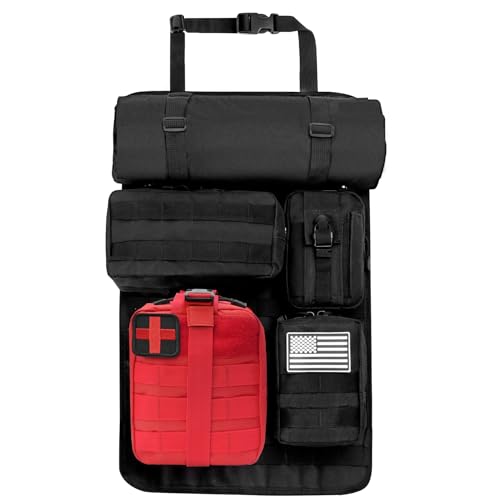

Table of Contents
Overlanding Vehicle Setup
Choosing the right vehicle modifications first matters more than shiny accessories. Start with a solid platform—Jeep, Toyota Tacoma, Land Cruiser, or similar. Then prioritize a good roof rack—stay away from cheap modular systems that look good but can’t handle the weight or the bounce of rough trails. My go-to? A heavy-duty, weld-constructed rack with a low profile. Light enough not to tax your suspension but sturdy enough for full jerry cans, recovery gear, and awnings. When sizing your rack, keep weight limits in mind. Too much weight up high affects stability, especially on rocky descents or sidehills. Practical tip: use a scale when loading gear—most racks have a max weight, and exceeding it can lead to fatigue or failure on trail. It’s a balance of capacity and versatility. Proper skid plates matter more than you think. A good set, covering engine, transmission, and fuel tank where possible, can save your day over rocky or gravel routes. Don’t skimp here—plastic covers might look tempting in photos but will shatter when you slide over a ledge or sharp rock.Recovery Gear & Vehicle Lifting
If you’re off-road, recovery gear isn’t optional—it’s essential. A capable winch is worth every pound if you often cross rivers or deep mud. I’ve tested plenty that look good online but fail when your weight is on the line. Look for a portable model with a fairline capacity—at least 9,000 lbs for most mid-size trucks. Recovery boards are a must-have for sandy climbs or snow-packed trails. The key is buying a set that’s rugged, non-slip, and large enough to get your tires on. Brands like MaxTrax or Smittybilt have hardware that’s stood up in real mud and snow. Bonus: use them in combination with a D-ring shackle and snatch strap. Avoid cheap synthetic ropes—ever try pulling a vehicle out with one? They scatter shrapnel if they snap. Lifting your truck with a quality suspension lift adds clearance, but don’t go overboard unless your build supports it. A 2-3 inch lift with sturdy shocks and springs improves clearance over rocks and keeps your tires from rubbing. Remember: bigger tires help more than just look-good on Instagram—they increase traction and resilience.Overland Camping & Vehicle Storage
Your choice of tent and storage affects how comfortable and organized your trip turns out. Hard-shell rooftop tents are great for quick setup, but they can be heavy and tricky in high winds or tight spots. Soft tents like the Tepui or ARB’s models offer flexibility but require more time—best for dedicated setups. For gear storage, modular thirsty boxes or drawer systems keep your kit accessible and protected. Avoid flimsy canvas bags that can burst open or get soaked, especially in rain or river crossings. PVC-coated fabric or metal drawers resist moisture and dirt better. During long trips, organizing gear in clearly labeled containers expedites setup and pack-up, reducing frustration after a long day on the trail. Roof-mounted water and fuel cans are convenient but add weight. Keep a balanced load and avoid excessive weight on the roof—overloading can lead to excessive sway, especially on steep descents or sandy tracks.Off-Road Lighting & Electronics
Good lighting transforms night driving from a gamble into a certainty. High-intensity LED bars are reliable and draw less power than old halogen setups. For muddy or foggy conditions, ditch yellow filters—modern LEDs are bright enough to pierce through dust and moisture without distortion. Light placement matters. Mount flood lights low on your bumper or grille and spotlights high on your roof rack for maximum coverage. I recommend wiring them to a dedicated switch or remote, so you’re not fumbling in the dark. Remember: clear obstructions like branches or mud can block light beams, so aim accordingly. Smart electronics tie your setup together—battery monitors, dual-bank systems, and solar chargers keep everything alive longer in remote areas. A good auxiliary battery system means you can run camp lights, GPS, and communication gear without draining your main start battery.Gear Selection Tips & Common Pitfalls
Choosing gear isn’t just about specs on the box. Real-world use reveals whether something looks tough but cracks or fails on trail. Here’s what to keep in mind: - Always match gear capacity to your vehicle’s weight and intended use—overloading recovery gear can be dangerous. - Focus on durability and tested performance—not just features. Read trail reports and real customer reviews. - Avoid "bling" gear that looks great in photos but is made with cheap materials. Quality fasteners, sturdy mounting brackets, and thick welds pay off. - Think modular and adaptable. As your build evolves, your gear should too—quick disconnects and adjustable mounts make life easier. - Don’t forget about ease of access. Long bolts and complicated mounting processes often lead to neglect or improper installation. Trail days expose weaknesses fast. Invest in what you’ll use in mud, snow, and river crossings rather than shiny accessories that are useless if they can’t hold up under the elements.Frequently Asked Questions
Can I add a roof rack to my SUV myself?
Yes. Most racks are bolt-on, but ensure the mounting points are solid and rated for your load. Use the proper tools and follow manufacturer instructions—don’t rush, or you risk loose mounts during tough trail sections.
What recovery gear is most versatile?
For most rigs, a 9,000–12,000 lbs winch, a set of recovery boards, and a quality snatch strap are the essentials. They handle mud, sand, and snow well—just pick waterproof, UV-resistant models.
How do I choose the best off-road lights?
Pick LED bars with high lumens and good beam patterns. Mount them where they won’t get mud or branches in the lens. Wiring and switches should be easily accessible for quick use.
Is a rooftop tent better than a ground tent?
Depends on your style. Rooftops are faster to set up, and keep you off the wet or muddy ground—great for quick stops. Ground tents are lighter and usually cheaper but require more setup time.
How do I protect my vehicle’s underbelly?
Install skid plates—especially on the oil pan, transfer case, and fuel tank. Reinforced bumpers and rock sliders also boost protection. But don’t forget weight limits and clearance specs.
What’s the biggest mistake newbies make when buying off-road gear?
They buy gear for looks, not function. It’s tempting to go for shiny, expensive gear, but durability and fit in your specific vehicle and trail conditions matter most. Test gear in conditions similar to your trip before relying on it.
Choosing the right overlanding gear isn’t about making your rig look cool—it’s about making it trail-ready, dependable, and suited for what you’ll face. Do your homework, test gear in the field, and keep your setup balanced and organized. Happy trails, and remember—be prepared, stay flexible, and always respect the wilderness.


